If your thyroid feels out of balance, you're probably looking for gentle, natural ways to feel better alongside your treatment. Yoga for thyroid health is one of the most popular — certain poses are believed to stimulate the thyroid gland, calm the nervous system and support your overall wellbeing. This guide shares 8 effective yoga poses for the thyroid, simple breathing techniques, a short routine, and the safety points you should know first.
Can Yoga Really Help With Thyroid Problems?
Let's be honest and clear up front: yoga is a supportive practice, not a cure, and it doesn't replace your prescribed medication or your doctor's advice. That said, many people with thyroid conditions find that a regular practice helps. Yoga for thyroid problems works mainly in two ways — certain postures gently compress and stretch the neck and throat area where the thyroid sits, and the overall practice lowers stress, which is closely linked to thyroid and hormone health.
How Yoga Supports Your Thyroid
The thyroid is a small, butterfly-shaped gland in your neck that regulates metabolism, energy and mood. Stress and high cortisol can disrupt it, which is where yoga shines. A consistent practice may help by:
- Improving blood flow to the neck and throat through inversions and stretches.
- Lowering stress and cortisol, which supports healthier hormone balance.
- Boosting energy and mood, often low with an underactive thyroid.
- Supporting better sleep, digestion and metabolism.
For more on the stress link, see our guide to yoga for lowering cortisol.
Poses That Stimulate the Thyroid
These postures gently work the throat and neck, where the thyroid gland sits:
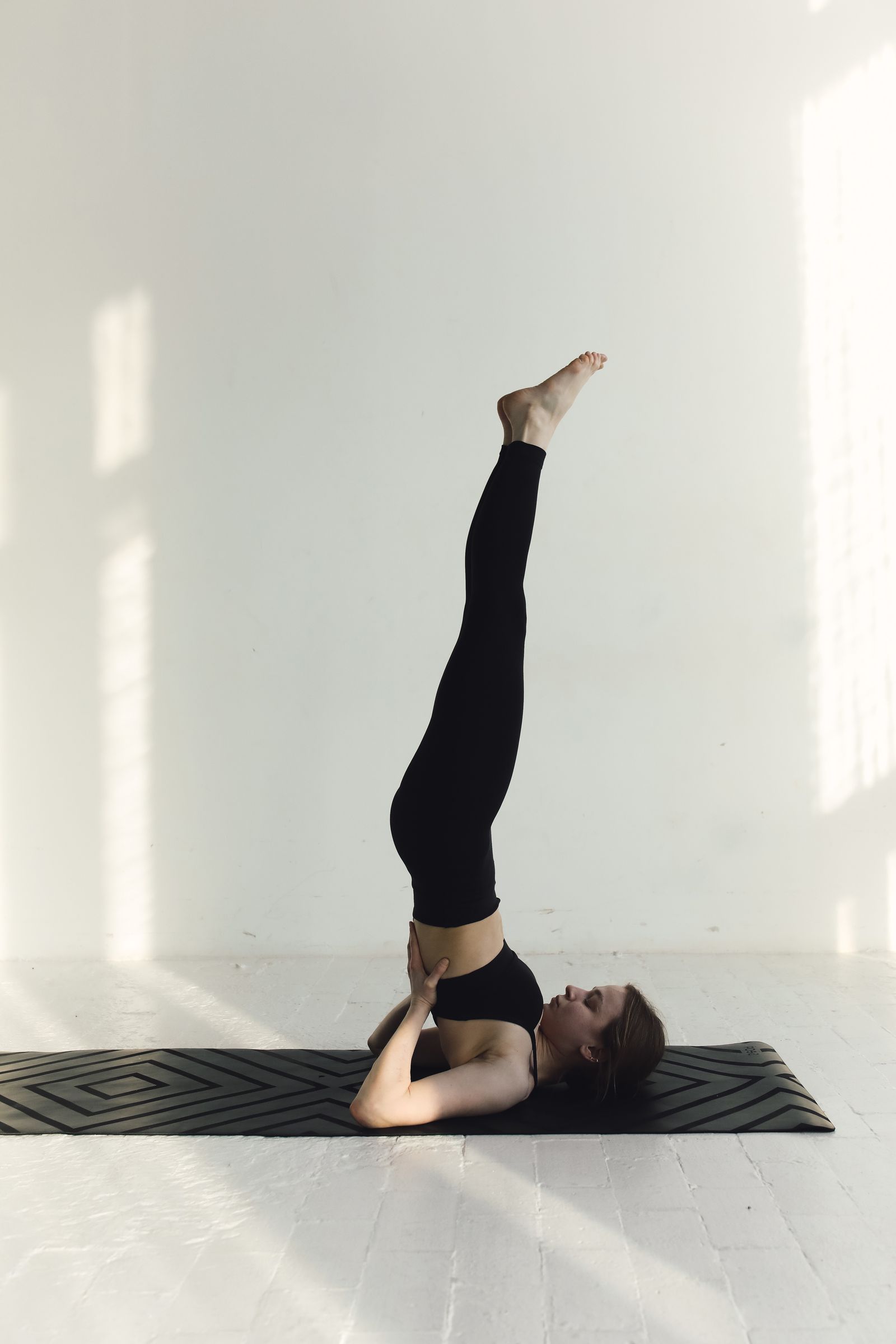
- Shoulderstand (Sarvangasana) — often called the queen of poses for the thyroid; the chin-to-chest position gently compresses the gland. Practise against a wall if you're new.
- Plough Pose (Halasana) — a deeper variation that stretches the neck and stimulates the throat area.
- Fish Pose (Matsyasana) — the ideal counter-pose, opening the throat and neck after shoulderstand.
- Bridge Pose (Setu Bandhasana) — a gentler, accessible way to stimulate the throat and open the chest.
Calming Poses for Thyroid Balance
Because stress disrupts the thyroid, calming postures matter just as much:
- Cat-Cow (Marjaryasana-Bitilasana) — a gentle warm-up that mobilises the neck and spine.
- Cobra Pose (Bhujangasana) — opens the throat and chest while strengthening the back.
- Legs-Up-the-Wall (Viparita Karani) — a deeply restful inversion that calms the nervous system.
- Corpse Pose (Savasana) — total relaxation to lower stress and let the body reset.
Breathing Techniques (Pranayama) for the Thyroid
Breathwork is a quiet powerhouse for thyroid and hormone health. Two techniques are especially helpful: Ujjayi (ocean breath), a soft throat breath that's warming and calming, and Bhramari (humming bee breath), whose gentle vibration is felt in the throat and soothes the nervous system. Even five minutes a day can make a difference. Learn more in our guide to the benefits of pranayama.
A Simple Thyroid Yoga Routine
| Step | Practice | Time |
|---|---|---|
| Warm up | Cat-Cow | 2 min |
| Stimulate | Bridge or Shoulderstand | 3 min |
| Counter-pose | Fish Pose | 1 min |
| Calm | Legs-Up-the-Wall | 5 min |
| Breathe | Ujjayi & Bhramari | 5 min |
| Rest | Savasana | 5 min |
Yoga for Hypothyroidism vs Hyperthyroidism
The approach differs slightly. For an underactive thyroid (hypothyroidism), stimulating poses like shoulderstand, bridge and fish may help energise a sluggish system. For an overactive thyroid (hyperthyroidism), the focus shifts to calming, restorative practice — gentle forward folds, legs-up-the-wall, slow breathing and plenty of Savasana — to soothe an over-stimulated body. When in doubt, favour the gentler, calming path.
Safety First: Please Talk to Your Doctor
This is important. Yoga is a complement to medical care, never a replacement — keep taking any prescribed thyroid medication and keep your check-ups. Avoid or modify neck-compressing poses like shoulderstand and plough if you have neck problems, high blood pressure, glaucoma, or are pregnant; a wall-supported or bridge variation is safer. Always learn inversions from a qualified teacher, and stop if anything hurts. If you have a thyroid condition, check with your doctor before starting a new practice.
How Often Should You Practise?
Consistency beats intensity. A gentle 20–30 minute practice, 4–5 times a week, is far more beneficial than an occasional long session. Mornings on an empty stomach are ideal for inversions. Be patient — thyroid and hormone balance shift slowly, so give your practice a few months and track how your energy, sleep and mood respond. Pair it with good sleep and a nourishing diet for the best results; see our guide to yoga for hormonal balance.
Signs Your Thyroid May Be Out of Balance
Knowing the signs helps you practise with purpose. An underactive thyroid (hypothyroidism) often brings fatigue, weight gain, feeling cold, dry skin, hair thinning and low mood. An overactive thyroid (hyperthyroidism) can cause anxiety, a racing heart, weight loss, trembling and trouble sleeping. These symptoms overlap with everyday stress, so never self-diagnose — a simple blood test confirms what's happening. If you notice these signs, see your doctor; then use yoga to support whichever direction your thyroid needs, calming for an overactive gland and gently energising for an underactive one.
Yoga, Diet and Lifestyle Work Best Together
Yoga is most powerful as one piece of a bigger picture. Alongside your practice, support your thyroid with good sleep, a nourishing whole-food diet, and stress management. Gentle daily movement, time outdoors, and limiting caffeine and processed food all help the whole hormonal system. Think of yoga as the calming thread that ties these habits together — it lowers the stress that disrupts your thyroid while encouraging the mindful, consistent lifestyle that keeps your energy, metabolism and mood steady. Our guide to a sattvic yogic diet is a gentle place to start.
Tips for Beginners
If you're new to yoga, start small and kind:
- Begin with gentle poses like bridge and legs-up-the-wall before trying shoulderstand.
- Learn inversions from a qualified teacher, and use a wall for support.
- Never force a pose or your neck — ease in slowly and breathe freely.
- Keep a simple daily routine rather than occasional intense sessions.
Bottom line: Yoga for thyroid health — combining throat-stimulating poses like shoulderstand and fish, calming inversions, and daily breathing — may support your thyroid and lower stress, but it works best alongside your doctor's care, not instead of it.
Frequently Asked Questions
Can yoga cure thyroid problems?
No. Yoga is a supportive, complementary practice, not a cure, and it should never replace prescribed medication or medical care. Many people find it helps reduce stress and support overall thyroid health alongside treatment.
Which yoga pose is best for the thyroid?
Shoulderstand (Sarvangasana) is traditionally considered the best pose for the thyroid, as the chin-to-chest position gently stimulates the gland. Fish pose and bridge pose are also popular and more accessible for beginners.
Is yoga good for hypothyroidism?
It can be supportive. Stimulating poses like bridge, shoulderstand and fish may help energise a sluggish system, while stress-lowering breathing and relaxation support hormone balance. Always continue your prescribed medication.
Can I do shoulderstand if I have a thyroid problem?
Only if it's safe for you. Avoid or modify shoulderstand and plough if you have neck issues, high blood pressure, glaucoma or are pregnant. Learn it from a qualified teacher, and try bridge pose as a gentler option.
How long does yoga take to help the thyroid?
There's no quick fix - thyroid and hormone balance change slowly. Practising gently four to five times a week for a few months is realistic, and you may notice better energy, sleep and mood along the way.
Is yoga safe for an overactive thyroid?
Yes, with a calming approach. For hyperthyroidism, focus on gentle, restorative poses, slow breathing and plenty of relaxation rather than stimulating inversions. Check with your doctor before starting.