Living with PCOS can feel like a daily battle with your own hormones — irregular cycles, weight changes, stress and fatigue. The good news is that gentle movement helps, and yoga for PCOS is one of the most recommended natural supports. Certain poses may ease symptoms, calm the nervous system and support hormone balance. Here are 8 effective yoga poses for PCOS, a simple routine, and the safety points to know.
Can Yoga Help With PCOS?
Yes — as a supportive practice alongside medical care, not a cure. PCOS (polycystic ovary syndrome, sometimes called PCOD) is driven partly by hormonal imbalance, insulin resistance and stress, and yoga gently targets all three. Research and lived experience suggest a regular practice may help ease symptoms, improve mood and support a healthy weight. It won't replace your doctor's guidance, but it's a powerful, calming addition to your routine.
How Yoga Supports Hormone Balance in PCOS
Yoga helps with PCOS in several connected ways:
- Lowers stress and cortisol — chronic stress worsens hormonal imbalance, and yoga is deeply calming.
- May improve insulin sensitivity, which is central to managing PCOS.
- Stimulates the pelvic region and reproductive organs through targeted poses.
- Supports healthy weight and metabolism with consistent movement.
Because stress hormones play such a big role, pair this with our guide to yoga for hormonal balance.
Best Yoga Poses for PCOS
These gentle poses target the pelvis, hips and stress response:
- Butterfly Pose (Baddha Konasana) — opens the hips and stimulates the ovaries and pelvic region.
- Cobra Pose (Bhujangasana) — gently massages the abdominal and reproductive organs.
- Bridge Pose (Setu Bandhasana) — stimulates the pelvic area and calms the mind.
- Reclining Bound Angle (Supta Baddha Konasana) — a restful hip-opener that soothes stress.
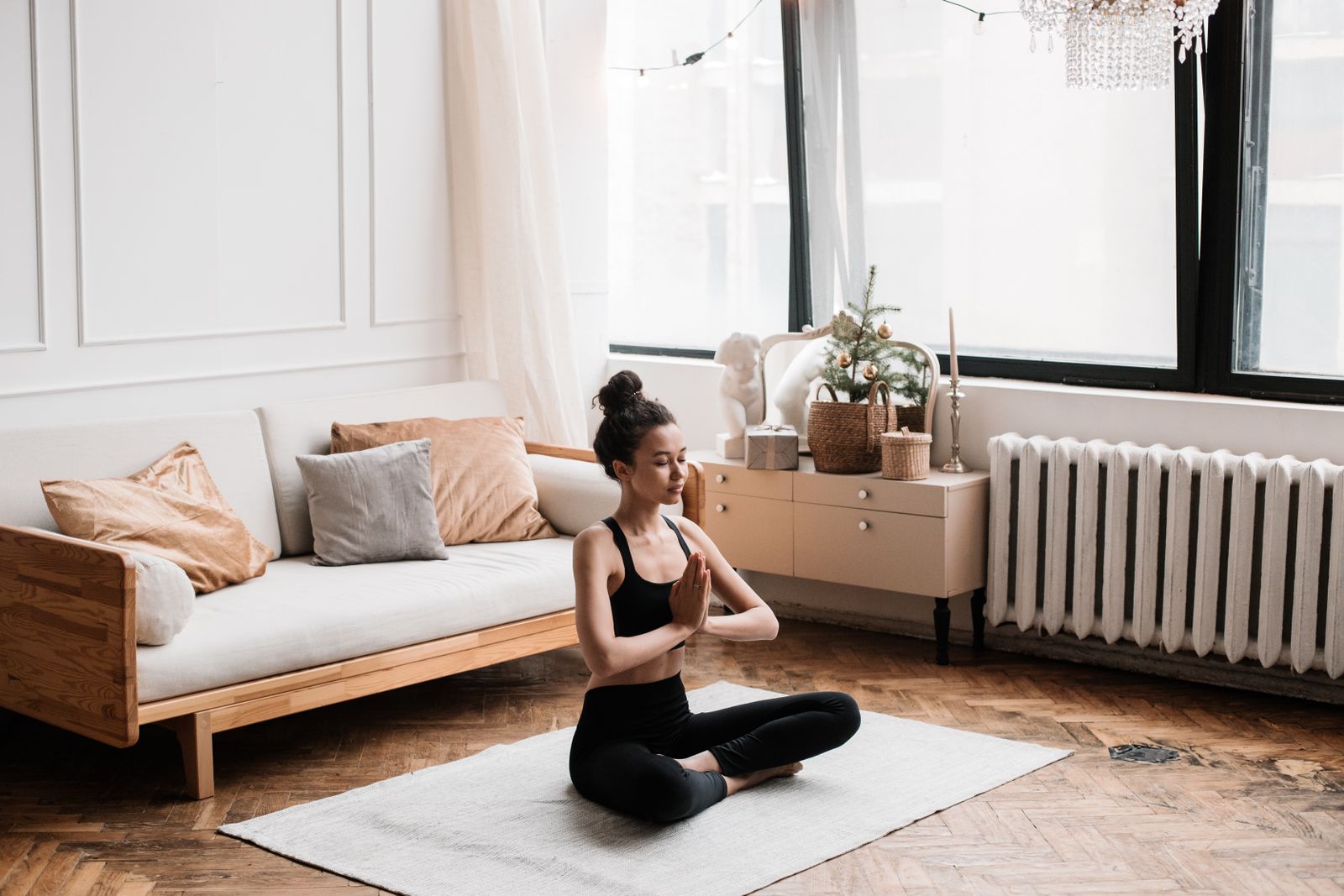
Calming Poses to Reduce Stress
Lowering stress is half the battle with PCOS, so include these:
- Child's Pose (Balasana) — a soothing forward fold that calms the nervous system.
- Cat-Cow (Marjaryasana-Bitilasana) — gentle spinal movement that relieves tension.
- Seated Forward Bend (Paschimottanasana) — calms the mind and gently works the abdomen.
- Corpse Pose (Savasana) — deep relaxation to reset the stress response.
Breathing and Meditation for PCOS
Breathwork directly calms the stress hormones that fuel PCOS. Nadi Shodhana (alternate nostril breathing) balances the nervous system, while Bhramari (humming bee breath) is wonderfully soothing. A few minutes of pranayama and meditation daily can lower cortisol, improve mood and support better sleep — all of which help your hormones find balance.
A Simple PCOS Yoga Routine
| Step | Practice | Time |
|---|---|---|
| Warm up | Cat-Cow | 2 min |
| Open hips | Butterfly & Bridge | 5 min |
| Gentle backbend | Cobra | 2 min |
| Calm | Child's Pose & Reclining Bound Angle | 5 min |
| Breathe | Nadi Shodhana & Bhramari | 5 min |
| Rest | Savasana | 5 min |
Yoga, Weight and PCOS
Weight gain is a common and frustrating PCOS symptom, often tied to insulin resistance. While gentle yoga alone isn't an intense calorie-burner, it supports weight management by lowering stress eating, improving insulin sensitivity and building a consistent, sustainable movement habit. Combined with a balanced diet, it's a gentle, long-term ally. See our guide to yoga for weight loss for more.
Safety First: Please See Your Doctor
Yoga supports PCOS management but does not replace medical treatment. Keep any prescribed medication and follow your doctor's or gynaecologist's advice. If you're pregnant, have an injury, or any other condition, tell your teacher and modify poses as needed. Practise gently, avoid straining the abdomen during a painful period, and stop if anything hurts. Yoga is at its best as one calm, consistent piece of your overall PCOS plan.
How Often Should You Practise?
Aim for a gentle 20–40 minute practice, 4–6 times a week. Consistency matters far more than intensity with PCOS — regular, calming movement keeps stress and insulin in check. Be patient and kind to yourself; hormonal changes take time, often a few cycles, so track your symptoms, energy and mood over a few months rather than expecting overnight results.
Which PCOS Symptoms Can Yoga Help With?
Yoga won't fix everything, but many women find it eases the symptoms that stress makes worse. A regular practice may help with:
- Stress, anxiety and low mood — perhaps yoga's biggest strength.
- Irregular, painful periods — gentle hip-openers and relaxation can soothe.
- Fatigue and poor sleep — calming practice improves rest.
- Weight and insulin resistance — consistent movement supports both.
For cycle-related discomfort, see our guide to yoga for period pain.
Yoga Styles That Suit PCOS
Not every style is ideal. With PCOS, gentle, restorative and slow-flow styles tend to work best, because they lower stress rather than spike it. Hatha yoga, yin yoga and restorative yoga are wonderful choices, combining mindful poses with deep relaxation. Very intense, heated or high-pressure classes can raise cortisol, which is counterproductive — so favour calm over exhausting. The aim is to leave each session feeling soothed and restored, not depleted.
Making Yoga a Sustainable Habit
With PCOS, consistency is everything, so make your practice easy to keep. Set a realistic routine — even 20 minutes most days beats an hour once a week. Practise at the same time daily to build the habit, keep your mat somewhere visible, and be gentle with yourself on low-energy days. Pair yoga with good sleep, balanced meals and a short daily walk, and you'll give your hormones the steady, calming support they respond to best over the months ahead.
Can Yoga Help Fertility With PCOS?
PCOS is a common cause of fertility struggles, and while yoga is no guarantee, it may gently support your chances. By lowering stress, improving hormone balance and encouraging a healthy weight, a calm practice creates better conditions for a regular cycle — and stress reduction alone can matter for conception. Hip-opening and pelvic poses improve circulation to the reproductive organs, too. If you're trying to conceive with PCOS, use yoga as supportive self-care alongside the advice of your gynaecologist or fertility specialist, never in place of medical guidance.
Bottom line: Yoga for PCOS — combining hip-opening poses, gentle backbends, stress-lowering relaxation and daily breathing — may ease symptoms and support hormone balance, working best as a calm, consistent part of a plan guided by your doctor.
Frequently Asked Questions
Can yoga cure PCOS?
No. Yoga is a supportive practice, not a cure, and shouldn't replace medical treatment. However, a regular, calming practice may help ease PCOS symptoms, lower stress and support hormone balance alongside your doctor's care.
Which yoga is best for PCOS?
Gentle, calming styles work best. Poses like butterfly, cobra, bridge and reclining bound angle target the pelvic region, while restful poses and breathing lower the stress that worsens PCOS.
Can yoga help with PCOS weight loss?
It can support it. Yoga lowers stress, may improve insulin sensitivity and builds a consistent movement habit, which all help with weight management. Combined with a balanced diet, it's a gentle long-term ally.
How does yoga balance hormones in PCOS?
Mainly by lowering stress and cortisol, which disrupt hormones, and by potentially improving insulin sensitivity. Poses that stimulate the pelvic area and calm the nervous system support overall hormonal balance.
How often should I do yoga for PCOS?
Aim for a gentle 20 to 40 minute practice, four to six times a week. Consistency matters more than intensity, and hormonal changes take a few cycles, so give it a few months.
Is yoga safe during PCOS?
Generally yes, when practised gently. Avoid straining the abdomen during a painful period, modify poses for any injury or pregnancy, and continue your prescribed treatment. Check with your doctor before starting.