Managing blood sugar day in, day out is hard work, and many people look for natural ways to help alongside their medication. Yoga for diabetes is one of the most researched and recommended — certain poses and breathing techniques may help improve insulin sensitivity, lower stress and support healthy blood sugar levels. Here are 8 effective yoga poses for diabetes, a simple routine, and the safety points you should know first.
Can Yoga Help Manage Diabetes?
Yes, as a supportive practice alongside your treatment — not a replacement for it. For type 2 diabetes especially, yoga may help in several evidence-backed ways: gentle movement and twists can support the pancreas and improve circulation, while the deep relaxation lowers stress hormones that push blood sugar up. It's a calm, sustainable habit that fits neatly into a wider diabetes-management plan guided by your doctor.
How Yoga Supports Healthy Blood Sugar
A regular practice may help manage diabetes by:
- Improving insulin sensitivity through consistent movement.
- Stimulating the abdominal organs and pancreas with twists and forward folds.
- Lowering stress and cortisol, which otherwise raise blood sugar.
- Supporting weight management and better circulation.
Because stress is such a factor, combine this with yoga for cortisol.
Poses That Stimulate the Pancreas
Twists and abdominal poses gently massage the organs involved in blood-sugar regulation:
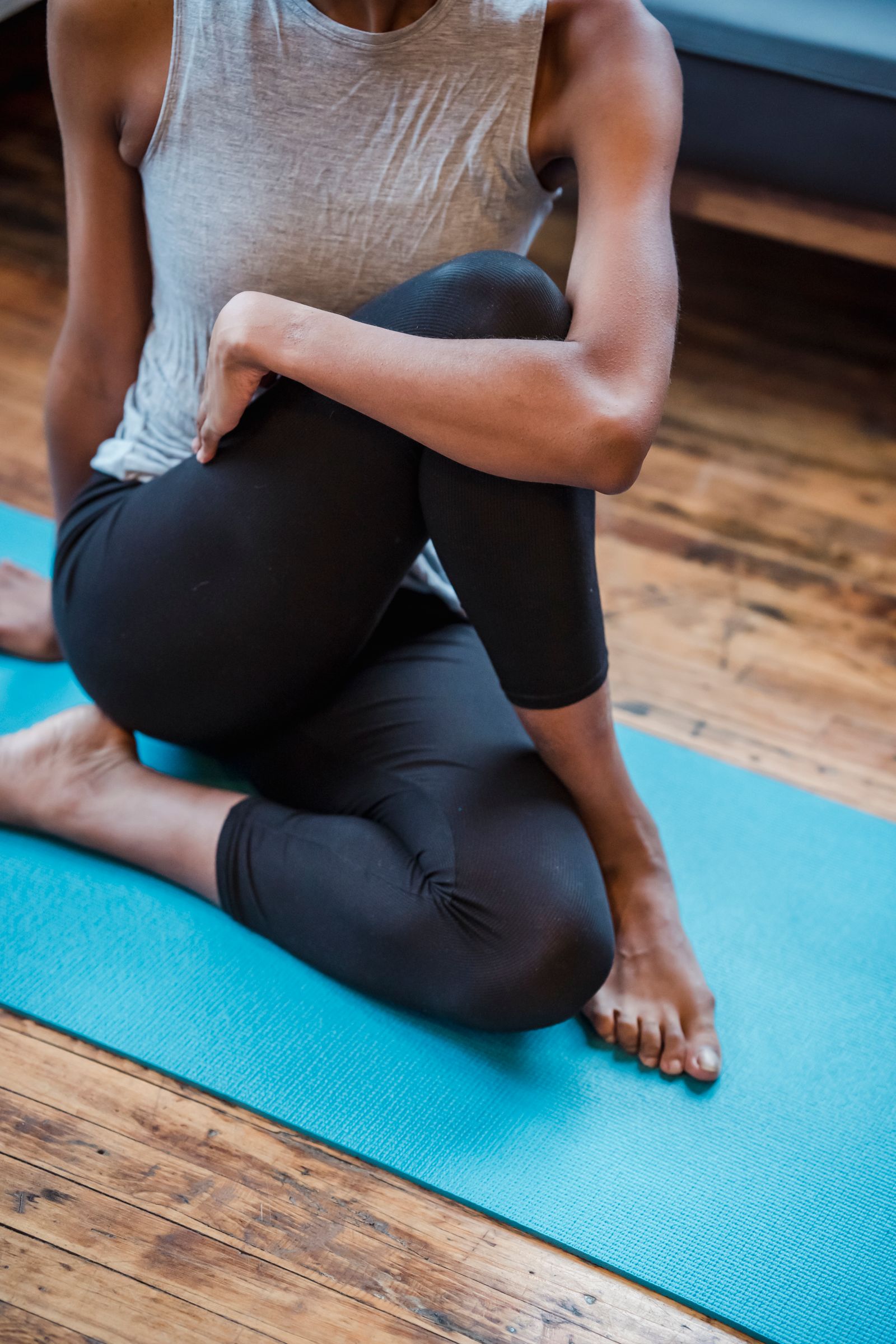
- Seated Twist (Ardha Matsyendrasana) — wrings and stimulates the abdominal organs, including the pancreas.
- Bow Pose (Dhanurasana) — compresses and massages the abdomen (practise gently).
- Cobra Pose (Bhujangasana) — tones the abdomen and supports digestion.
- Seated Forward Bend (Paschimottanasana) — gently compresses the abdomen and calms the mind.
Gentle Poses for Circulation and Calm
These support movement, circulation and stress relief:
- Mountain Pose (Tadasana) and Standing Stretches — simple, accessible movement to start.
- Bridge Pose (Setu Bandhasana) — improves circulation and gently works the core.
- Legs-Up-the-Wall (Viparita Karani) — boosts circulation and deeply relaxes.
- Corpse Pose (Savasana) — lowers stress hormones that raise blood sugar.
Breathing Techniques for Blood Sugar
Breathwork is a simple, powerful tool. Kapalabhati (skull-shining breath) is an energising practice often recommended for diabetes (do it gently and avoid it if you have high blood pressure), while Nadi Shodhana (alternate nostril breathing) calms the nervous system and lowers stress. A few minutes of pranayama daily complements the poses beautifully.
A Simple Diabetes Yoga Routine
| Step | Practice | Time |
|---|---|---|
| Warm up | Mountain Pose & stretches | 3 min |
| Stimulate | Seated Twist & Cobra | 5 min |
| Core & circulation | Bridge | 2 min |
| Calm | Forward Bend & Legs-Up-the-Wall | 5 min |
| Breathe | Nadi Shodhana | 5 min |
| Rest | Savasana | 5 min |
Yoga for Type 2 vs Type 1 Diabetes
Yoga is most studied for type 2 diabetes, where improving insulin sensitivity and managing weight and stress can make a real difference to blood-sugar control. People with type 1 diabetes can also enjoy yoga's stress-relief and fitness benefits, but it won't replace insulin. Whichever type you have, the practice is a supportive habit, not a substitute for your prescribed treatment.
Safety First: Please See Your Doctor
This matters a lot with diabetes. Never stop or change your medication based on yoga — keep taking it and keep monitoring your blood sugar. Check your levels before and after practice, especially when starting, and keep a snack handy in case of a low. Avoid intense breathing like Kapalabhati if you have high blood pressure, and modify abdominal poses if pregnant or injured. If you have diabetic complications (eye, nerve or heart issues), get your doctor's clearance and learn from a qualified teacher first.
How Often Should You Practise?
Aim for a gentle 30-minute practice on most days — consistency is what shifts insulin sensitivity over time. Morning practice on an empty stomach suits twists and breathing, while a short evening session aids relaxation and sleep. Track your blood sugar alongside your practice over a few weeks and you'll start to see how your body responds. Pair it with a balanced diet and regular walking for the best results.
Yoga vs Walking for Diabetes: Do Both
People often ask whether yoga or walking is better for blood sugar — and the honest answer is that they complement each other beautifully. Brisk walking burns glucose and improves fitness, while yoga lowers stress, improves insulin sensitivity and supports recovery. Together they form a gentle, sustainable routine that fits almost any lifestyle. A simple plan — a daily walk plus a short yoga and breathing practice — covers both the active and the calming sides of blood-sugar management without overwhelming your day.
Diet and Lifestyle Make Yoga Work Better
Yoga delivers the best results as part of a healthy lifestyle. Support your practice with a balanced, low-glycaemic diet, steady meal timing, good hydration and quality sleep. Managing stress and weight matters hugely for blood sugar, and these habits reinforce each other. Yoga naturally encourages mindfulness, which often spills into more mindful eating and better choices through the day — one of the quiet ways a regular practice supports diabetes beyond the poses themselves.
Making It a Daily Habit
Consistency is what shifts blood sugar over time, so keep your practice simple and repeatable:
- Choose a regular time — mornings suit twists and breathing, evenings suit relaxation.
- Start with 15–20 minutes and build gradually.
- Keep it gentle and enjoyable so you actually stick with it.
- Track your blood sugar and energy to see what works for you.
Can Yoga Help Prevent Diabetes?
If you're pre-diabetic or at risk, yoga can be a valuable preventive habit. By improving insulin sensitivity, supporting a healthy weight and lowering chronic stress, a regular practice helps keep blood sugar in a healthy range before problems develop. Combined with a balanced diet and daily walking, it's a gentle, sustainable way to reduce your risk of type 2 diabetes. Prevention is always easier than management, so building a calm yoga and movement routine now is one of the kindest things you can do for your long-term health.
Bottom line: Yoga for diabetes — combining pancreas-stimulating twists, gentle movement, relaxation and breathing — may help improve insulin sensitivity and manage blood sugar, but always practise it alongside your prescribed treatment and your doctor's advice.
Frequently Asked Questions
Can yoga cure diabetes?
No. Yoga cannot cure diabetes and must never replace medication. As a supportive practice, it may help improve insulin sensitivity, lower stress and support blood-sugar management alongside your prescribed treatment.
Which yoga pose is best for diabetes?
Twists like seated twist (Ardha Matsyendrasana) are especially valued, as they massage the abdominal organs including the pancreas. Cobra, bow pose and forward bends also support the abdomen and digestion.
Can yoga lower blood sugar?
It may help, mainly by improving insulin sensitivity and lowering the stress hormones that raise blood sugar. Always monitor your levels and continue your medication; yoga is a complement, not a substitute.
Is yoga good for type 2 diabetes?
Yes, it's most studied for type 2 diabetes, where it may improve insulin sensitivity and help with weight and stress. It should be combined with a healthy diet, medication and your doctor's guidance.
Should I check my blood sugar when doing yoga?
Yes, especially when starting. Check your levels before and after practice, keep a snack handy in case of a low, and avoid intense breathing techniques if you have high blood pressure.
How often should I do yoga for diabetes?
A gentle practice of around 30 minutes on most days works best, since consistency improves insulin sensitivity over time. Combine it with a balanced diet and regular walking for better results.