If your blood pressure runs high, you've probably been told to reduce stress — and that's exactly where yoga helps. Yoga for high blood pressure uses slow, calming poses and deep breathing to relax the body, ease tension and support a healthier heart. This guide shares 8 gentle, safe yoga poses for high blood pressure (hypertension), a simple routine, and the crucial safety points — including the poses to avoid.
Can Yoga Lower Blood Pressure?
Research suggests it can help — as a supportive practice alongside your treatment, not a replacement. High blood pressure (hypertension) is strongly linked to stress, and yoga's slow movement, deep breathing and deep relaxation activate the body's "rest and digest" response, which can gently lower blood pressure over time. It's one of the calmest, most sustainable lifestyle habits you can add to a heart-healthy plan guided by your doctor.
How Yoga Helps Manage Hypertension
A gentle, regular practice may help by:
- Activating the parasympathetic nervous system to calm the body.
- Lowering stress and cortisol, major drivers of high blood pressure.
- Encouraging slow, deep breathing that relaxes blood vessels.
- Supporting better sleep, weight and heart health overall.
Because stress is central, pair this with yoga for anxiety and stress relief and yoga for cortisol.
Calming Poses for High Blood Pressure
These gentle, grounding poses soothe the body and heart:
- Child's Pose (Balasana) — a restful forward fold that calms the mind.
- Bound Angle Pose (Baddha Konasana) — a relaxed seated hip-opener.
- Reclining Bound Angle (Supta Baddha Konasana) — a supported, deeply restful pose.
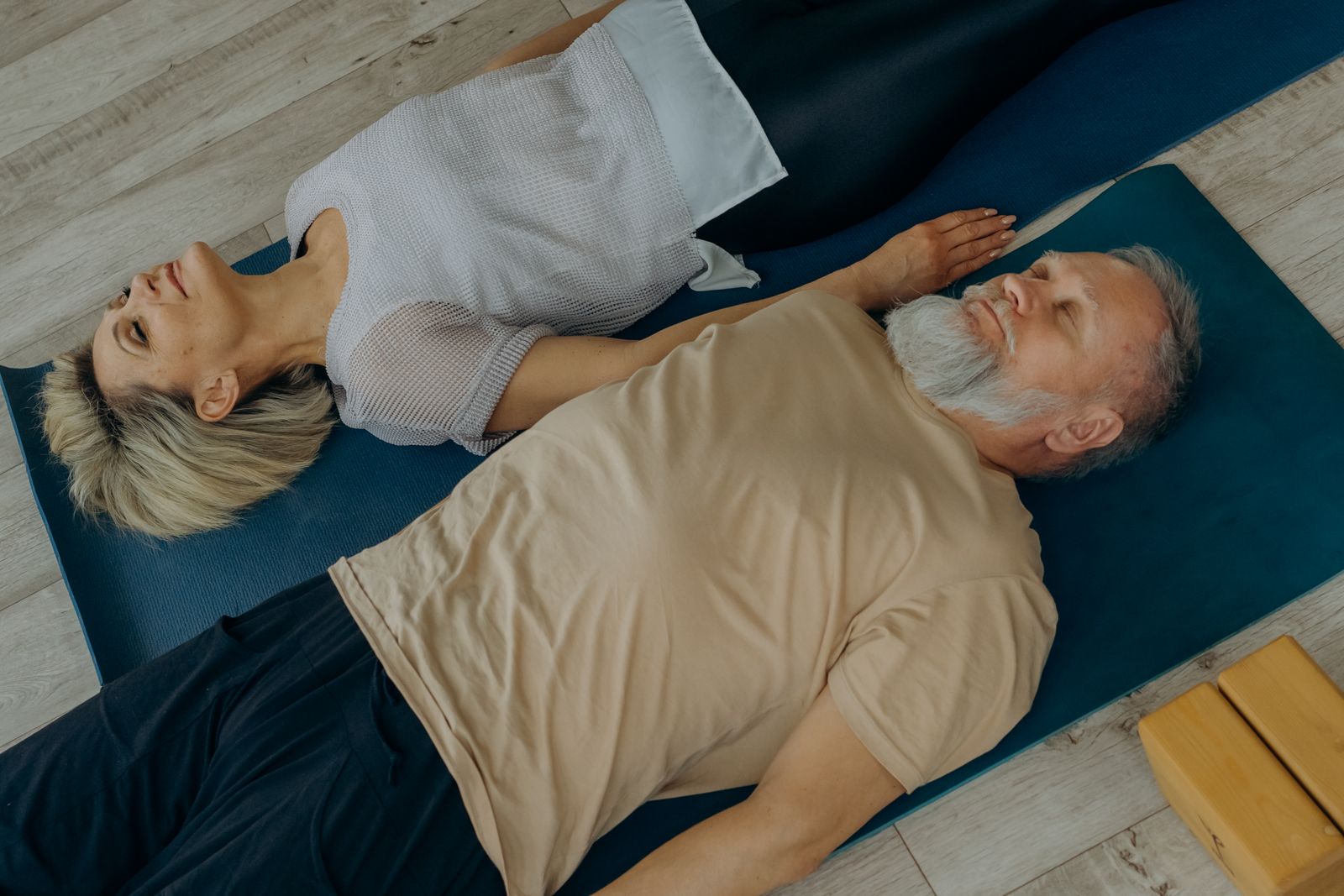
- Corpse Pose (Savasana) — total relaxation that lowers stress and heart rate.
Gentle Poses to Relax the Body
Add these soft, supported postures:
- Cat-Cow (Marjaryasana-Bitilasana) — gentle spinal movement that releases tension.
- Seated Forward Bend (Paschimottanasana) — calming, done gently without straining.
- Legs-Up-the-Wall (Viparita Karani) — a mild, restful inversion that soothes (skip if advised against).
- Bridge Pose (Setu Bandhasana) — a gentle, supported chest opener.
Breathing Techniques That Calm the Heart
Breathwork is perhaps the most powerful tool here. Nadi Shodhana (alternate nostril breathing) and Bhramari (humming bee breath) are both wonderfully calming and well suited to high blood pressure, encouraging slow, deep breaths that relax the blood vessels. Avoid forceful, fast breathing like Kapalabhati or breath retention, which can raise pressure. A few minutes of slow pranayama daily is deeply beneficial.
Poses to Avoid With High Blood Pressure
This part is essential for safety. If you have high blood pressure, avoid or carefully modify:
- Full inversions like headstand and shoulderstand, which raise pressure in the head.
- Intense backbends and strenuous, fast-paced flows.
- Breath retention and forceful breathing such as Kapalabhati.
- Holding poses while straining or holding your breath.
Stick to gentle, well-supported poses and breathe freely throughout.
A Simple Blood-Pressure Yoga Routine
| Step | Practice | Time |
|---|---|---|
| Warm up | Cat-Cow | 3 min |
| Gentle open | Bound Angle & Bridge | 5 min |
| Calm folds | Child's Pose & Seated Forward Bend | 5 min |
| Restful | Reclining Bound Angle | 5 min |
| Breathe | Nadi Shodhana & Bhramari | 5 min |
| Rest | Savasana | 7 min |
Safety First: Please See Your Doctor
This is vital. Keep taking your blood-pressure medication and never stop or change it based on yoga — monitor your readings as usual. Start gently, avoid the poses listed above, and learn from a qualified teacher, especially if your blood pressure is poorly controlled or you have heart disease. If you feel dizzy, breathless or unwell during practice, stop and rest. Get your doctor's clearance before beginning a new routine.
How Often Should You Practise?
Gentle and regular wins. A calming 20–30 minute practice, most days of the week, helps keep stress low and supports steady blood pressure. Evenings are lovely for relaxation and better sleep, which itself helps your heart. Track your readings over a few weeks alongside your practice, keep it slow and restful, and combine it with a balanced diet, less salt and regular walking for the best results.
Why Stress Raises Blood Pressure
Understanding the link explains why yoga helps. When you're stressed, your body releases hormones like cortisol and adrenaline that make your heart beat faster and your blood vessels narrow, pushing blood pressure up. Chronic stress keeps this "fight or flight" response switched on. Yoga works by flipping the switch — slow movement, deep breathing and deep rest activate the opposite "rest and digest" response, helping your heart rate settle and your vessels relax. That's why the calmest practices, not the most strenuous, are the ones that help your blood pressure most.
Lifestyle Habits That Work With Yoga
Yoga is one part of a heart-healthy life. For the best results, combine it with a balanced, low-salt diet, regular walking, good sleep, and limited caffeine and alcohol. Maintaining a healthy weight and not smoking matter enormously too. Each of these supports the others, and yoga's calming, mindful nature often makes the rest easier to keep up. Think of your daily practice as the anchor habit that steadies your stress and gently reinforces every other heart-healthy choice.
Making Calm Practice a Daily Habit
With blood pressure, gentle consistency beats occasional effort:
- Practise calmly most days, even for 20 minutes.
- Favour evenings to unwind and sleep better.
- Always breathe freely — never strain or hold your breath.
- Keep monitoring your readings so you and your doctor can see progress.
Can Yoga Replace Blood Pressure Medication?
No — and this is important. Yoga is a complement to your treatment, never a replacement. It may help lower stress and support healthier blood pressure over time, but you must keep taking any prescribed medication and never adjust or stop it on your own. Over months, with your doctor's involvement, some people do see their readings improve with a consistent healthy lifestyle — but any change to medication is a decision for your doctor, based on your actual readings, not something to attempt through yoga alone.
Bottom line: Yoga for high blood pressure — gentle calming poses, restful relaxation and slow breathing, while avoiding inversions and forceful breath — may help manage hypertension, but always practise it alongside your medication and your doctor's advice.
Frequently Asked Questions
Can yoga lower high blood pressure?
It may help as a supportive practice, mainly by lowering stress and encouraging slow, deep breathing that relaxes the body. It should be combined with your prescribed medication and doctor's advice, not used as a replacement.
Which yoga is best for high blood pressure?
Gentle, calming yoga is best - restful poses like child's pose, bound angle, reclining bound angle and Savasana, with slow breathing. Avoid vigorous, heated styles and strong inversions.
Which yoga poses should I avoid with high blood pressure?
Avoid full inversions like headstand and shoulderstand, intense backbends, fast flows, breath retention and forceful breathing such as Kapalabhati. These can raise blood pressure. Stick to gentle, supported poses.
Can I do breathing exercises for high blood pressure?
Yes, slow calming ones. Alternate nostril breathing (Nadi Shodhana) and humming bee breath (Bhramari) are well suited, as they encourage relaxation. Avoid forceful, fast breathing or holding the breath.
Is Savasana good for high blood pressure?
Yes. Corpse pose (Savasana) is one of the best, as deep relaxation activates the body's calming response and can lower stress and heart rate. It's a safe, gentle way to support healthy blood pressure.
How often should I do yoga for blood pressure?
A gentle 20 to 30 minute practice on most days works well, since regular calming practice helps keep stress and blood pressure low. Combine it with a balanced, low-salt diet and walking, and keep monitoring your readings.