Tired, moody, bloated, not sleeping, weight that won't shift? It's easy to blame your hormones — but there's often a hidden driver underneath them: chronic stress. When stress stays high, it quietly throws your whole hormonal system off balance, and that's exactly where yoga for hormonal balance comes in. Here's the connection nobody explains.
The Stress–Hormone Connection
When you're constantly stressed, your body pumps out cortisol. Chronically high cortisol disrupts the hormones that keep you feeling well — estrogen, progesterone, thyroid and insulin among them. The result is that familiar mix of fatigue, mood swings, poor sleep, cravings and stubborn belly fat. Calm the stress response, and you give your hormones the conditions they need to rebalance naturally.
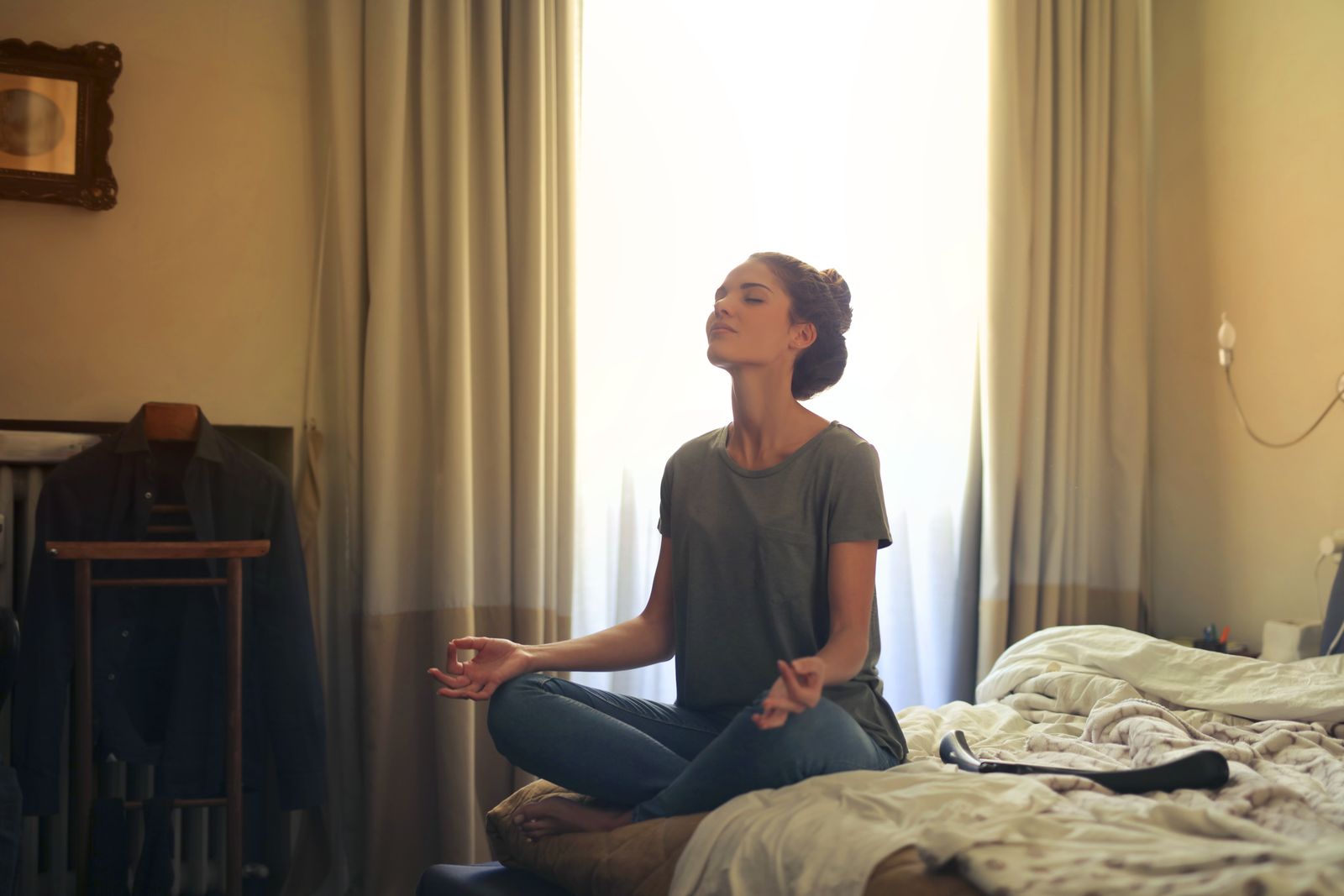
Why Yoga Works When Willpower Doesn't
You can't force hormones back into balance — but you can shift the nervous system that governs them. Slow, gentle yoga for hormonal balance activates the "rest and digest" state, lowers cortisol, improves sleep and steadies mood. Certain poses also gently stimulate the thyroid and reproductive organs and improve circulation to them. It isn't magic; it's giving your body the calm it has been missing.
Best Yoga Poses for Hormonal Balance
- Legs Up the Wall — deeply calming and restorative.
- Reclined Bound Angle — opens the hips and pelvis and eases tension.
- Bridge Pose — gently stimulates the thyroid.
- Child's Pose — soothes the nervous system.
- Cat-Cow & slow twists — massage the abdominal organs.
- Yoga Nidra — one of the most powerful stress-and-cortisol reducers there is.
How to Actually Feel the Difference
Gentle beats intense here — vigorous, sweaty classes can spike cortisol further. Practise slow, restorative yoga for hormonal balance most days, protect your sleep, and breathe long and slow. Pair it with our guides to yoga for cortisol and better sleep for a complete reset, and give it a few weeks to work.
One Honest Note
Yoga is a powerful support for hormonal balance, but it works alongside good sleep, nourishing food and medical care - not instead of them. If symptoms are severe or persistent, please see a doctor to rule out an underlying condition.
Frequently Asked Questions
Can yoga help balance hormones?
Yes. Yoga for hormonal balance lowers cortisol and calms the nervous system, which helps the hormones disrupted by chronic stress - like estrogen, progesterone and thyroid - settle back toward balance. Gentle, restorative styles work best.
Which yoga is best for hormonal balance?
Slow, restorative and gentle styles are best: Legs Up the Wall, Reclined Bound Angle, Bridge, Child's Pose and Yoga Nidra. Intense, sweaty classes can raise cortisol, so keep it calm.
How does stress affect hormones?
Chronic stress keeps cortisol high, which disrupts estrogen, progesterone, thyroid and insulin. This drives fatigue, mood swings, poor sleep, cravings and stubborn weight, which is why calming stress is key to hormonal balance.
How long does yoga take to balance hormones?
Many people feel calmer and sleep better within a week or two, with clearer hormonal improvements over one to three months of consistent, gentle practice alongside good sleep and nutrition.
Can yoga help with PCOS or thyroid issues?
Yoga can support both by lowering stress and improving circulation, and some poses gently stimulate the thyroid. It's a helpful complement to - not a replacement for - proper medical treatment.