It's 2 a.m., you're staring at the ceiling, and your mind simply will not switch off. Sound familiar? Millions of people lie awake like this every night, and reaching for your phone only pours fuel on the fire. The good news: yoga for sleep is a gentle, drug-free way to calm a racing mind and finally drift off — and it works faster than most people expect.
Why You Can't Sleep
Most sleepless nights come down to an overactive nervous system. Stress, bright screens and late caffeine keep your body stuck in "fight or flight" long after you've turned off the lights. Yoga for sleep works by flipping the switch the other way. Slow movement and long, steady exhales activate the parasympathetic nervous system — the "rest and digest" mode that finally tells your body it is safe to let go. According to the Sleep Foundation, gentle relaxation practices before bed are among the most reliable ways to fall asleep faster.
5 Bedtime Yoga Poses for Sleep
Do these on your bed or on the floor, lights dimmed, breathing slowly through the nose.
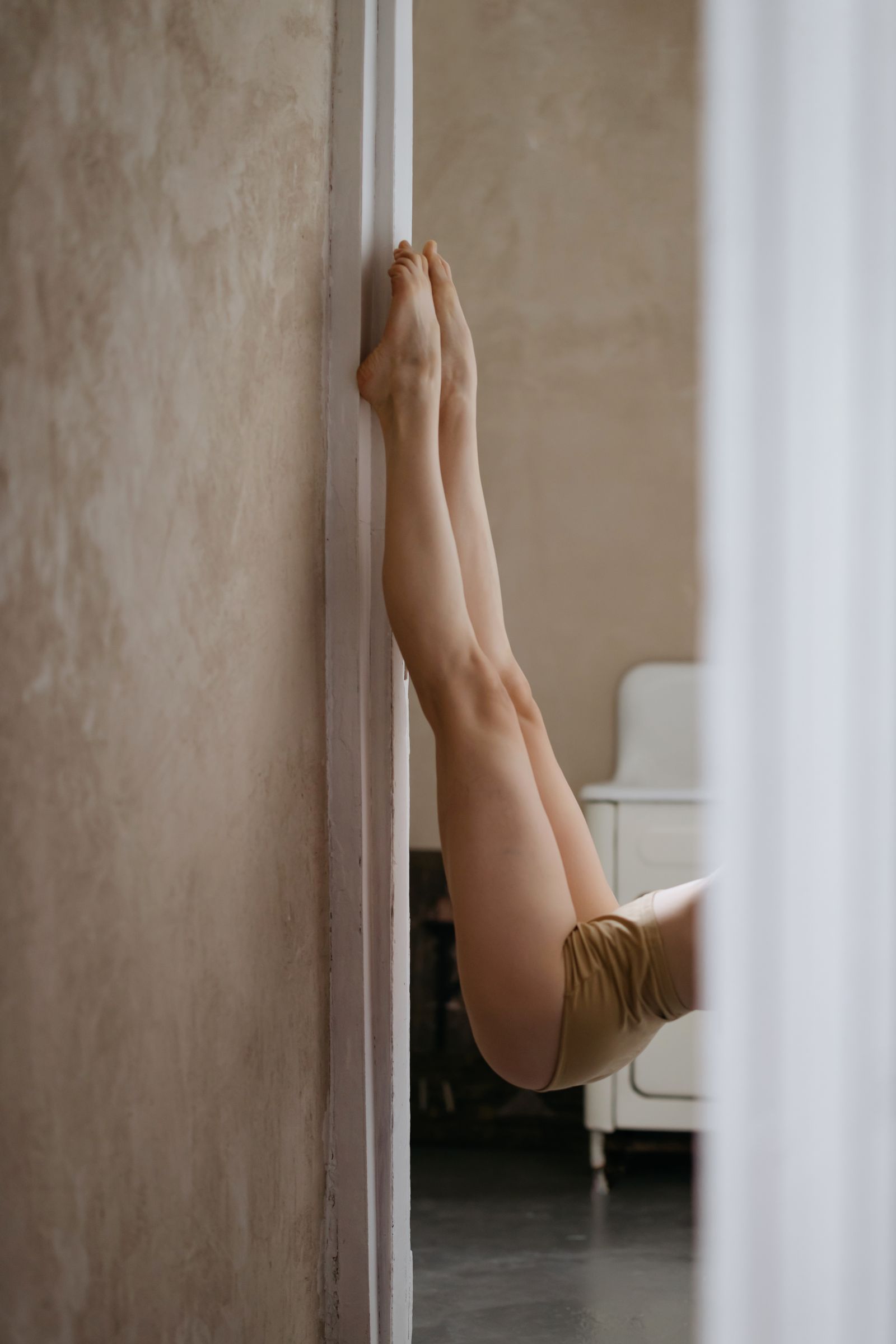
- Legs Up the Wall — the ultimate calming pose; simply rest here for five slow minutes.
- Reclined Butterfly — opens the hips and melts away the day's tension.
- Child's Pose — soothes the lower back and quiets a busy mind.
- Reclined Twist — gently unwinds the spine on each side.
- Corpse Pose with long breathing — the perfect place to actually fall asleep.
The Breathing Trick That Beats Counting Sheep
Pair the poses with one simple breath: inhale for a count of four, exhale for a count of six. Making the exhale longer than the inhale is the single most powerful signal of calm you can send your body, and it slows a racing heart within minutes. A little of this, and yoga for sleep quietly does the rest — far more effectively than lying there counting sheep or checking the clock every twenty minutes.
Build a Wind-Down Routine
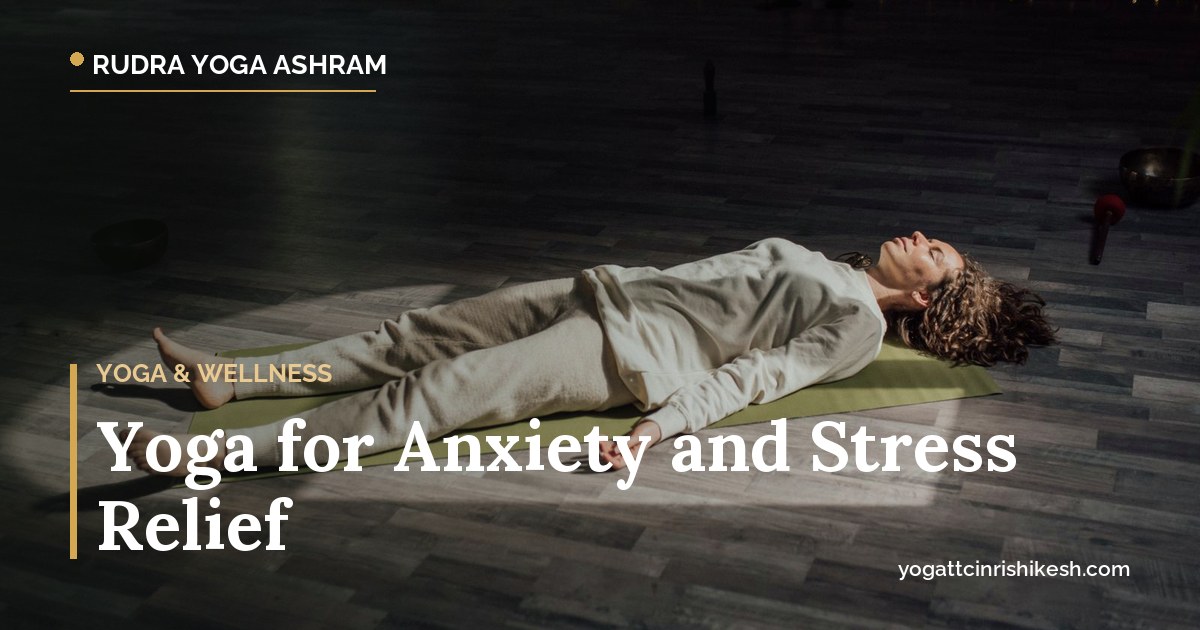
Consistency matters more than any single pose. Dim the lights an hour before bed, leave the phone charging in another room, and move slowly through two or three of these poses at the same time every night. Your body learns the cue, and sleep begins to come more easily on its own. Even ten quiet minutes counts, so start small rather than waiting for the perfect evening. This gentle, screen-free wind-down is exactly the kind of rhythm we build into daily life at the ashram, where early nights and calm evenings are part of the practice. If a busy, anxious mind is what keeps you awake, our guide to yoga for anxiety and stress relief pairs beautifully, and if you'd like to go deeper into calming breathwork, explore our pranayama guide.
One Gentle Reminder
Yoga for sleep helps most people relax and fall asleep faster. But if insomnia is severe, ongoing or affecting your health, please speak to a doctor. Yoga is a beautiful support, not a substitute for medical advice.
Frequently Asked Questions
Does yoga help you sleep?
Yes. Yoga for sleep calms the nervous system through slow movement and long exhales, easing a racing mind and helping you fall asleep faster and more deeply. Gentle bedtime poses are especially effective.
What is the best yoga pose for sleep?
Legs Up the Wall is widely considered the best single pose for sleep, because it calms the nervous system quickly. Reclined Butterfly, Child's Pose and a gentle reclined twist are also excellent before bed.
How long before bed should I do yoga for sleep?
Right before bed is ideal. A short ten-minute wind-down of gentle poses and slow breathing, done at the same time each night, trains your body to associate the routine with sleep.
Can yoga cure insomnia?
Yoga for sleep helps most people relax and fall asleep faster, and can greatly ease mild insomnia. For severe or ongoing insomnia, use yoga alongside advice from a doctor rather than as a replacement.
Is bedtime yoga better than exercise for sleep?
Gentle bedtime yoga is better than vigorous exercise late at night, which can be too stimulating. Slow, restorative yoga for sleep is designed to wind you down, not wake you up.