When you're low, everything feels heavy — your body, your thoughts, even getting out of bed. Exercise is the last thing you want, and that's exactly the trap. Yoga for depression is different: it asks almost nothing of you, meets you gently where you are, and slowly helps lift the fog through breath, movement and stillness. It's not a cure, but it is real, kind support.
How Yoga Helps a Low Mood
Depression keeps the nervous system stuck and the body tense and shut down. Gentle yoga for depression works on both: slow movement and breath calm the stress response, poses release the physical heaviness we hold, and the simple act of showing up for yourself rebuilds a sense of agency. Research links regular yoga to lower stress hormones and improved mood — it genuinely shifts something.
Gentle Practices That Help
- Slow, deep breathing — the simplest way to calm a spiralling mind.
- Gentle Sun Salutations — soft movement to lift energy.
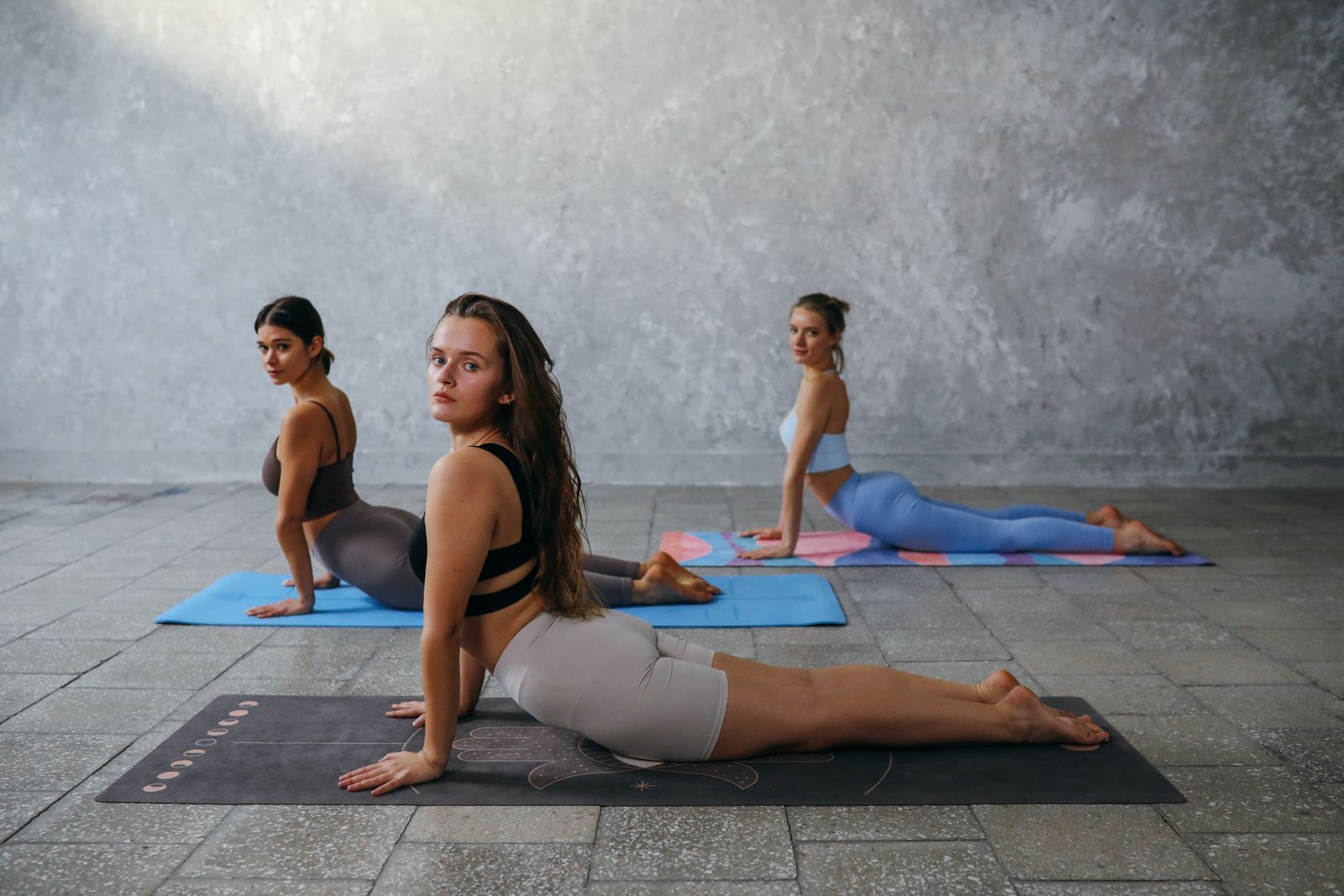
- Heart-Opening Poses — Bridge and gentle backbends counter the closed, collapsed feeling.
- Child's Pose & Forward Folds — soothing and grounding.
- Yoga Nidra & rest — deep, restorative calm for an exhausted mind.
How to Begin When It Feels Hard
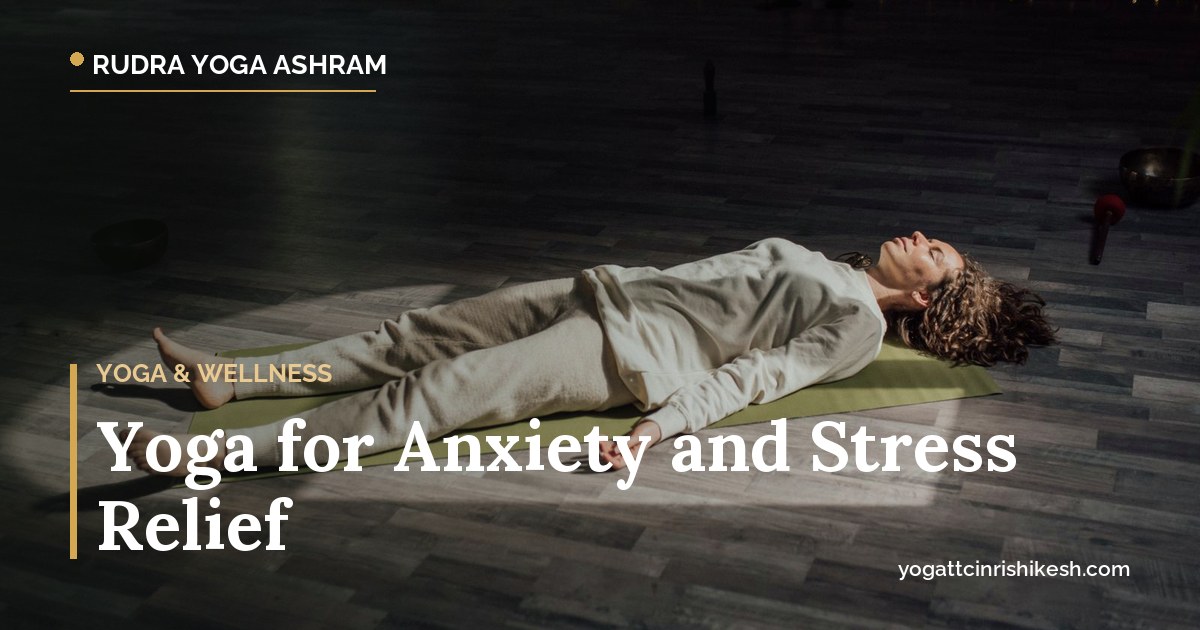
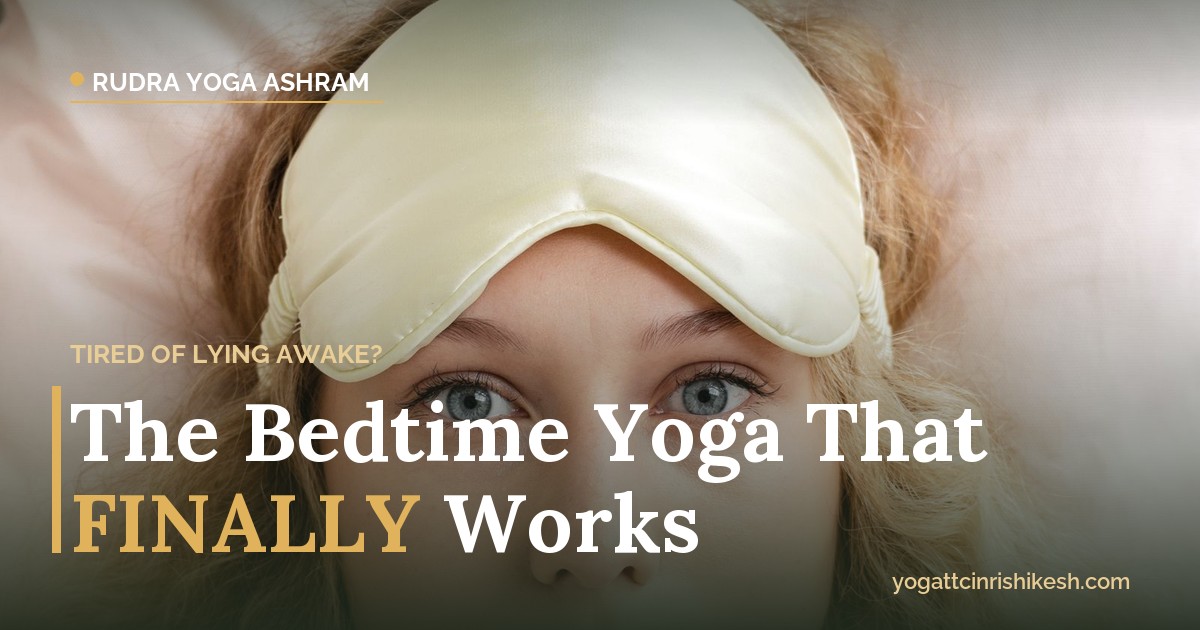
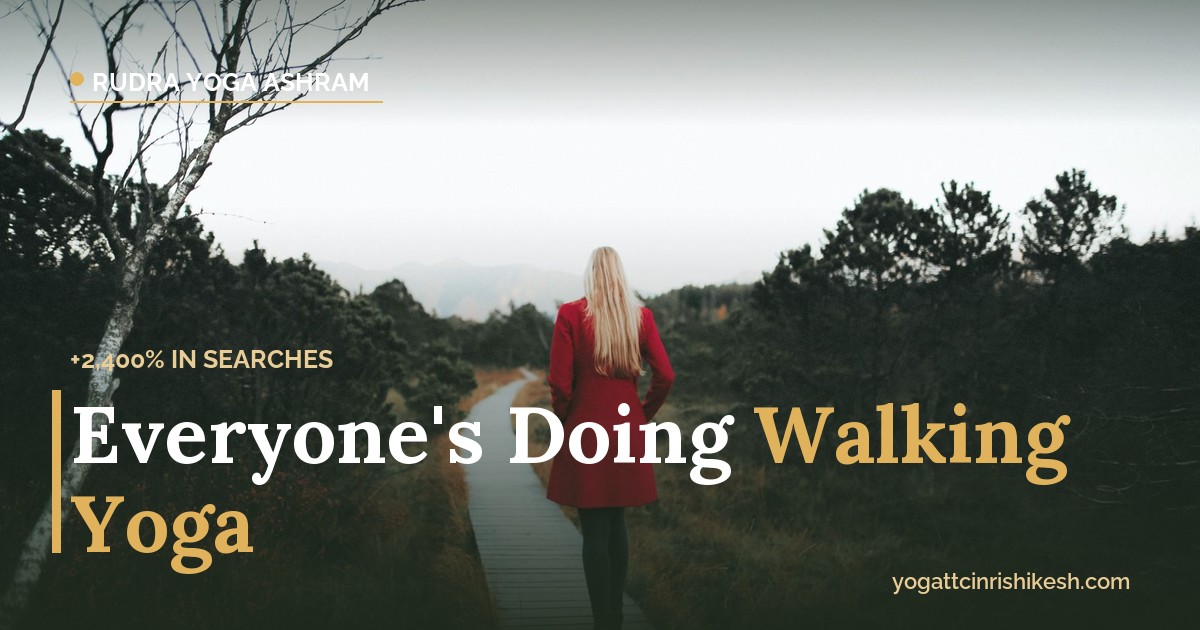
Start impossibly small — even two minutes of breathing or one gentle stretch counts, and doing it most days matters far more than doing a lot. Be kind to yourself. Because low mood, anxiety and poor sleep travel together, our guides to yoga for anxiety and stress relief, better sleep and gentle walking yoga pair beautifully.
You Deserve Real Support
Yoga is a powerful companion for a low mood, but it is not a replacement for professional care. If you're struggling with depression, please reach out to a doctor or mental-health professional - and if you're in crisis, contact a local helpline right away. You are not alone.
Frequently Asked Questions
Can yoga help with depression?
Yes, as a supportive practice. Yoga for depression calms the nervous system, releases physical tension and gently lifts mood through breath, movement and rest. It complements, but does not replace, professional treatment.
What type of yoga is best for depression?
Gentle, restorative and breath-focused styles are best, along with heart-opening poses and Yoga Nidra. Soft Sun Salutations can lift energy. The key is gentleness, not intensity.
How does yoga improve mood?
Yoga lowers stress hormones, activates the calming nervous system, releases the heaviness held in the body, and rebuilds a sense of agency - all of which are linked to improved mood.
How often should I practise yoga for depression?
Even a few minutes daily helps. When mood is low, tiny and consistent beats long and occasional - showing up gently for yourself most days is what matters most.
Is yoga a replacement for therapy or medication?
No. Yoga for depression is a valuable support alongside professional care, not a substitute. Always work with a doctor or therapist, and seek urgent help in a crisis.