Scroll through any wellness feed right now and you'll notice something: people are quietly walking out of sweaty power classes and lying on the floor instead. It's not laziness — it's somatic yoga, the nervous-system reset that's exploding in popularity. If your usual yoga leaves you strangely wired instead of calm, here's why everyone's switching, and how to start.
What Is Somatic Yoga?
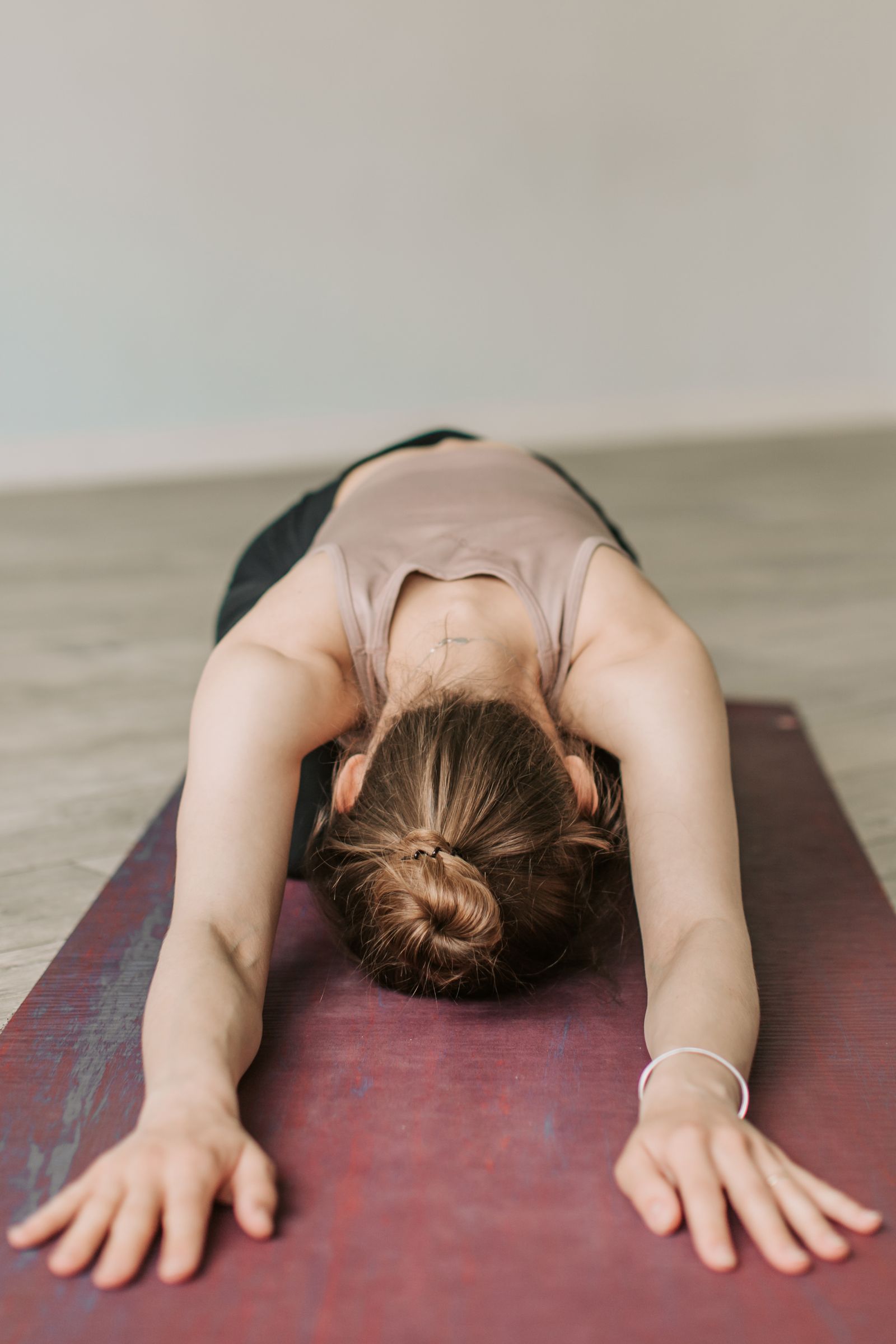
Somatic yoga is a slow, inward-focused practice that prioritises how a movement feels over how it looks. Instead of chasing the perfect pose, you move gently, pause often, and pay attention to the sensations in your body. The word "somatic" simply means "of the body" — and that's the whole point of somatic yoga: reconnecting your mind with what your body is actually feeling, moment to moment.
Why It's Suddenly Everywhere
Blame modern life. We spend our days scrolling, multitasking and living in low-grade "fight or flight," and our nervous systems are frazzled. Fast, intense workouts can pile even more stress on top. Somatic yoga does the opposite: slow movement, long exhales and gentle release signal safety to the nervous system, switching you into "rest and digest." That's why people finish a session feeling genuinely calm rather than wired — and why the trend has quietly taken over wellness feeds.
What Makes It Different From Regular Yoga
Regular yoga often has a goal: nail the pose, flow faster, go deeper. Somatic yoga throws the goal out. There's no "advanced," no pushing, no performance. You might spend two minutes slowly rocking your hips or simply noticing your breath. It sounds too simple to matter — until you feel how much tension quietly melts away.
How to Start Somatic Yoga (Tonight)
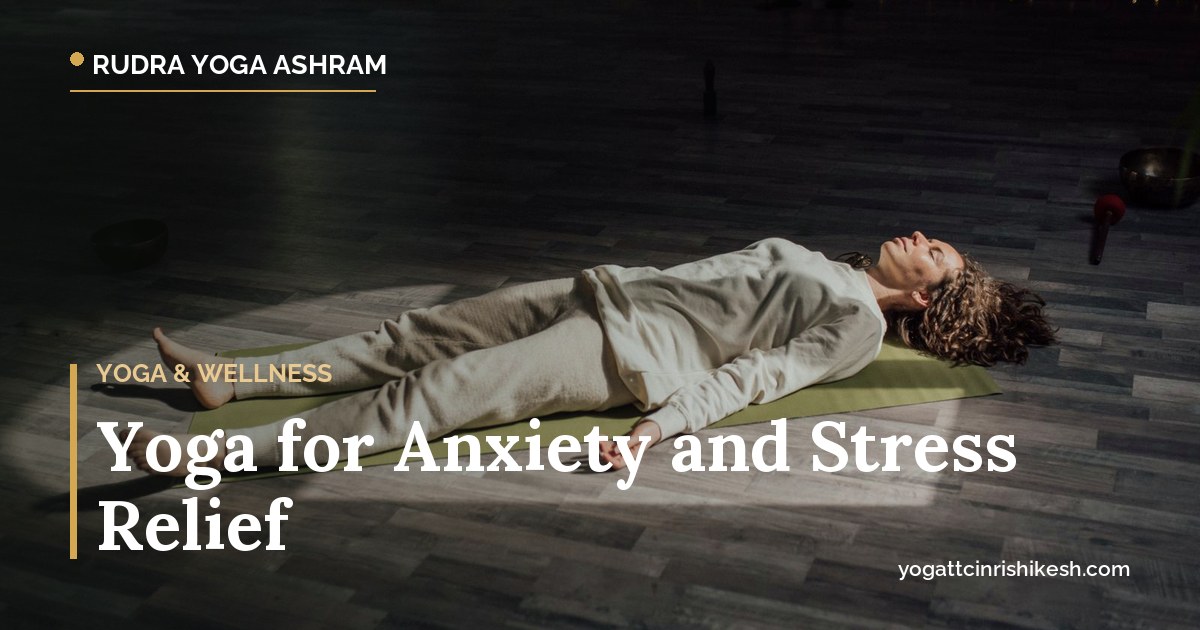
You don't need a class or any flexibility. Try this: lie down somewhere quiet, close your eyes, and spend five minutes moving however feels good — gentle twists, slow knee circles, a soft forward fold. Move at a fraction of your normal speed and let your breath lead. That's somatic yoga. For a calming sequence you can build on, our guide to yoga for anxiety and stress relief and our bedtime yoga routine pair perfectly.
Is It Actually Worth the Hype?
Honestly? Yes — for the right reason. Somatic yoga won't build six-pack abs or replace strength training. But as a way to calm chronic stress, release stored tension and reconnect with your body, few things work as gently or as reliably. In a world obsessed with doing more, a practice built around doing less is exactly what most of us need. If it draws you deeper, the roots of breath, meditation and mindful movement are the heart of our 200-hour yoga teacher training in Rishikesh.
The Honest Bit
Somatic yoga is powerful for everyday stress and body awareness, but it isn't a cure for trauma or medical conditions on its own. If you're working through deep trauma, practise with a trained, trauma-informed teacher or alongside professional support.
Frequently Asked Questions
What is somatic yoga?
Somatic yoga is a slow, gentle practice focused on how movement feels rather than how it looks. It emphasises body awareness, slow movement and breath to calm the nervous system and release stored tension.
How is somatic yoga different from regular yoga?
Regular yoga often focuses on achieving poses and flowing through sequences. Somatic yoga removes the goal entirely, moving slowly and inwardly to release tension and regulate the nervous system rather than to perform.
Is somatic yoga good for beginners?
Yes. Somatic yoga needs no flexibility, strength or experience. Its slow, gentle nature makes it one of the most beginner-friendly and accessible styles of yoga.
What are the benefits of somatic yoga?
Somatic yoga helps lower stress, release chronic muscle tension, improve body awareness, calm the nervous system and support better sleep. Many people find it eases anxiety and helps them feel more grounded.
How often should I do somatic yoga?
Even a few minutes daily helps. A short, consistent practice calms the nervous system more effectively than an occasional long session, so aim for a little most days.