About to invest a month of your life in training? It helps to know exactly what you're signing up for. A clear 200-hour yoga teacher training syllabus shows you every subject you'll study, how the days are structured, and how you'll be assessed. This guide breaks down the full curriculum module by module, so you arrive knowing what to expect and leave a confident, well-rounded teacher.
What Is Covered in a 200-Hour Yoga Teacher Training?
The 200-hour yoga teacher training curriculum is set to Yoga Alliance standards, which means every registered school covers the same core areas. Broadly, your 200 hours are divided across techniques and practice (asana, pranayama, meditation), teaching methodology, anatomy and physiology, yoga philosophy and ethics, and practicum (actually teaching). A good school blends these so that theory and practice reinforce each other every single day. Here's what each module involves.
Asana (Yoga Postures)
Asana is the physical heart of the training. You'll study a wide range of postures in depth — standing poses, forward bends, backbends, twists, inversions and balances — learning their correct alignment, benefits, contraindications and modifications. This isn't just about doing the poses yourself; it's about understanding them well enough to teach them safely to different bodies. Most 200-hour courses in Rishikesh teach a blend of Hatha and Vinyasa, giving you a versatile foundation.
Pranayama and Breathwork
Pranayama — yogic breathing — is a cornerstone of the syllabus. You'll learn key techniques such as Nadi Shodhana, Kapalabhati, Ujjayi and Bhramari, along with the science of the breath and how it calms the nervous system. Breathwork is woven into daily practice, and you'll learn how to guide it clearly so your future students can use the breath to steady both body and mind.
Yoga Anatomy and Physiology
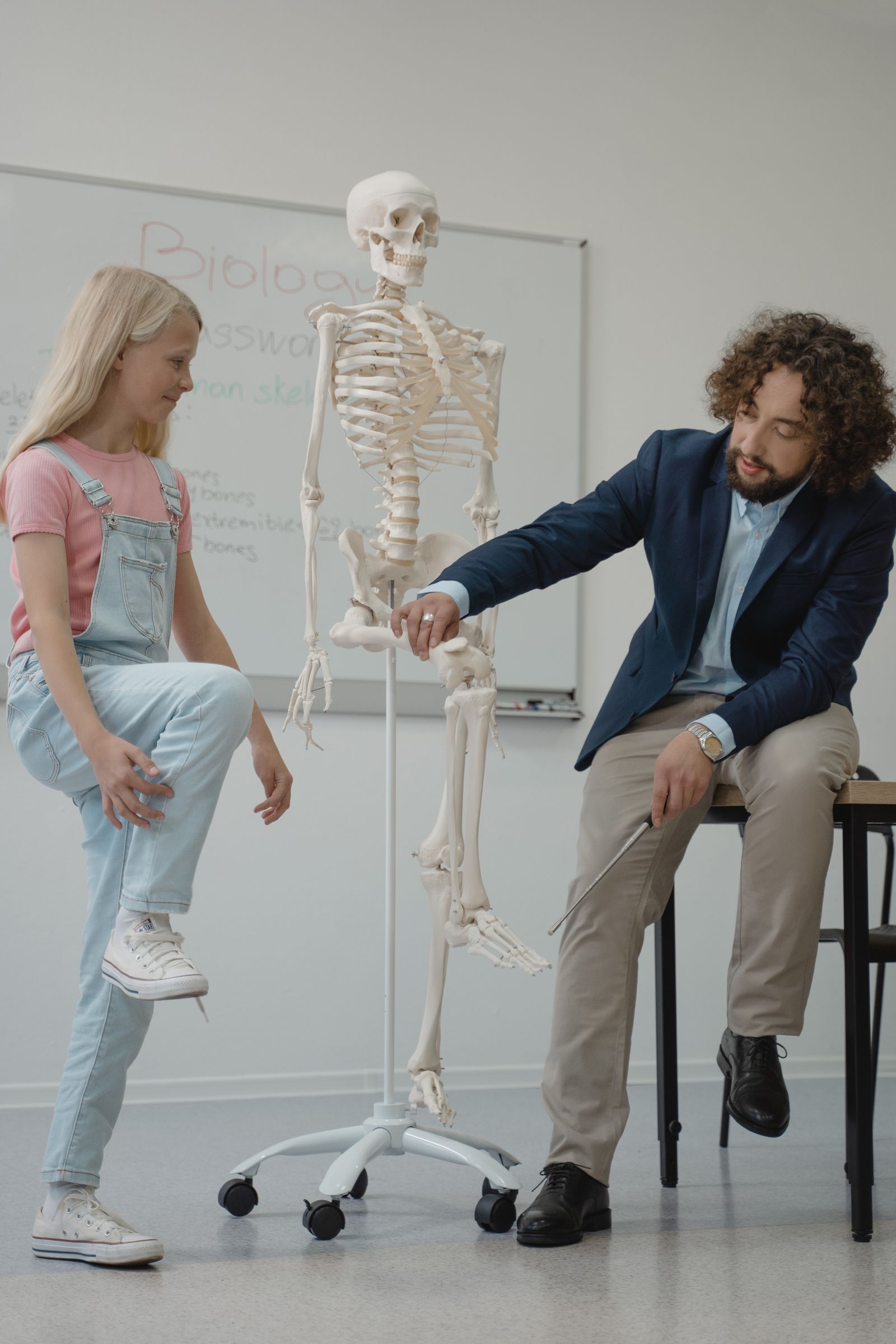
Anatomy is where safe teaching is built. You'll cover the musculoskeletal system, joints, the spine, breathing mechanics and how movement works, plus the common injuries to watch for. Many courses also introduce the subtle body — chakras, nadis and energy flow. The goal isn't to turn you into a doctor; it's to help you sequence intelligently, cue alignment, and keep every student safe.
Meditation and Mindfulness
Meditation runs through the whole month. You'll practise and learn to teach several techniques — breath awareness, body scanning, mantra and guided meditation — and explore mindfulness as a daily tool. Beyond technique, these sessions develop the calm, present presence that defines a good teacher. Early-morning meditation by the Ganges is one of the most memorable parts of training in Rishikesh.
Yoga Philosophy and Ethics
Yoga is far more than exercise, and the philosophy module reveals its depth. You'll study foundational texts and ideas — the eight limbs of yoga from Patanjali's Yoga Sutras, the Yamas and Niyamas (ethical principles), key concepts from the Bhagavad Gita, and the history and purpose of yoga. This grounding gives your teaching authenticity and meaning, connecting the poses to a tradition thousands of years old.
Teaching Methodology
This is the module that actually turns you into a teacher. You'll learn how to sequence a class, cue clearly, use your voice, demonstrate, manage a room, and create a safe, welcoming space. You'll study class structure, pacing, theming and how to teach mixed-ability groups. Crucially, teaching methodology is paired with lots of real practice, so the skills become second nature before you graduate.
Hands-On Adjustment and Alignment
Knowing a pose and helping someone into it safely are different skills. The adjustment module teaches you how to observe alignment, give clear verbal cues, and offer gentle, appropriate hands-on adjustments with consent and care. You'll practise on your fellow trainees under supervision — one of the biggest advantages of in-person, residential training over learning from a screen.
Mantra, Shatkarma and the Yogic Lifestyle
A complete syllabus also includes the finer traditions: mantra chanting (the sound and vibration of practice), shatkarma (yogic cleansing techniques such as Jala Neti), and the principles of a yogic lifestyle, including a sattvic diet. These elements deepen your personal practice and let you share the full richness of yoga, not just the physical side.
Teaching Practice (Practicum)
Theory means little until you stand up and teach, so the practicum is central. You'll build and deliver real class segments to your peers, receive feedback, and refine your cueing, flow and confidence week by week. By the end you'll have led full classes — the single best preparation for teaching real students after you graduate. Wondering if 200 hours covers enough? See our honest take on whether the 200-hour is enough to teach.
A Typical Daily Schedule
| Time | Session |
|---|---|
| Early morning | Pranayama & meditation |
| Morning | Asana practice (Hatha / Vinyasa) |
| Late morning | Anatomy or philosophy theory |
| Afternoon | Teaching methodology & alignment |
| Late afternoon | Teaching practice (practicum) |
| Evening | Meditation, mantra or self-study |
For a fuller picture, read about a day in the life of yoga teacher training in Rishikesh.
How You're Assessed and Certified
Assessment on most 200-hour courses is continuous and supportive rather than exam-heavy. You're typically evaluated on attendance and participation, a practical teaching demonstration, your understanding of theory, and your personal conduct. Pass, and you receive a certificate from a Registered Yoga School, which lets you register with Yoga Alliance as an RYT 200. From there you're qualified to teach worldwide.
Why the Syllabus Matters When Choosing a School
Two courses can both claim "200 hours" and deliver very different experiences, so the syllabus is one of the best ways to judge a school. Before you book, ask for the detailed curriculum and daily schedule, and check that it balances practice, theory and — above all — plenty of real teaching practice. Be wary of courses that are almost entirely asana with little methodology or anatomy, as they can leave you certified but underprepared. A transparent, well-rounded syllabus taught by experienced teachers is the clearest sign of a quality 200-hour course. See our guide to choosing the best yoga school in Rishikesh.
Beyond the Syllabus: What Makes Training Transformative
The written curriculum tells only part of the story. What turns a good syllabus into a life-changing month is the immersion around it — living and practising with a close group, early mornings by the Ganges, the discipline of a daily routine, and the authentic atmosphere of Rishikesh. These intangibles deepen everything on the page, embedding the knowledge far more than any textbook could. It's why most graduates describe their training not just as a course they completed, but as an experience that changed how they live. Curious whether it's worth it? See our honest answer on whether yoga teacher training is worth it.
Bottom line: A 200-hour yoga teacher training syllabus covers asana, pranayama, anatomy, meditation, philosophy, teaching methodology, adjustments and real teaching practice — a complete foundation that turns a committed practitioner into a confident, certified teacher in just four weeks.
Frequently Asked Questions
What subjects are included in a 200-hour yoga teacher training?
The syllabus covers asana, pranayama, anatomy and physiology, meditation, yoga philosophy, teaching methodology, hands-on adjustments, mantra and teaching practice. Together these meet Yoga Alliance standards for certification.
How many hours of the 200 are spent on each subject?
Yoga Alliance sets minimum hours across techniques and practice, teaching methodology, anatomy, philosophy and practicum. Schools balance these so you practise, study theory and teach every day across the course.
Do you learn anatomy in a 200-hour yoga course?
Yes. Anatomy and physiology are a core module, covering the muscles, joints, spine and breathing mechanics, plus common injuries, so you can sequence safely and keep your students injury-free.
Is the 200-hour syllabus mostly physical practice?
No. While asana is central, a full syllabus also includes breathwork, meditation, philosophy, teaching methodology and practicum, so you graduate as a well-rounded teacher, not just a strong practitioner.
Is there an exam in 200-hour yoga teacher training?
Most schools use continuous assessment rather than heavy exams. You're evaluated on participation, a practical teaching demonstration and your grasp of theory, plus your conduct throughout the course.
What certificate do you get after the 200-hour syllabus?
On passing, you receive a certificate from a Registered Yoga School, which lets you register with Yoga Alliance as an RYT 200 - the globally recognised credential to teach yoga.