Comparing your first training options and stuck between two numbers? The 100-hour vs 200-hour yoga teacher training decision matters, because only one of them actually certifies you to teach. Both are valuable, but they serve different goals, budgets and timeframes. This honest comparison breaks down the real difference so you can choose the right course with confidence.
What Is a 100-Hour Yoga Teacher Training?
A 100-hour yoga teacher training is a shorter, foundational course — usually around two weeks — covering the essentials of asana, pranayama, meditation, basic anatomy and philosophy. Importantly, it is not a full teaching certification on its own; Yoga Alliance's recognised standard for teaching is 200 hours. Instead, the 100-hour works as a deep foundation, a taster of training, or the first half of a 200-hour done in two stages. Explore the 100-hour course in Rishikesh.
What Is a 200-Hour Yoga Teacher Training?
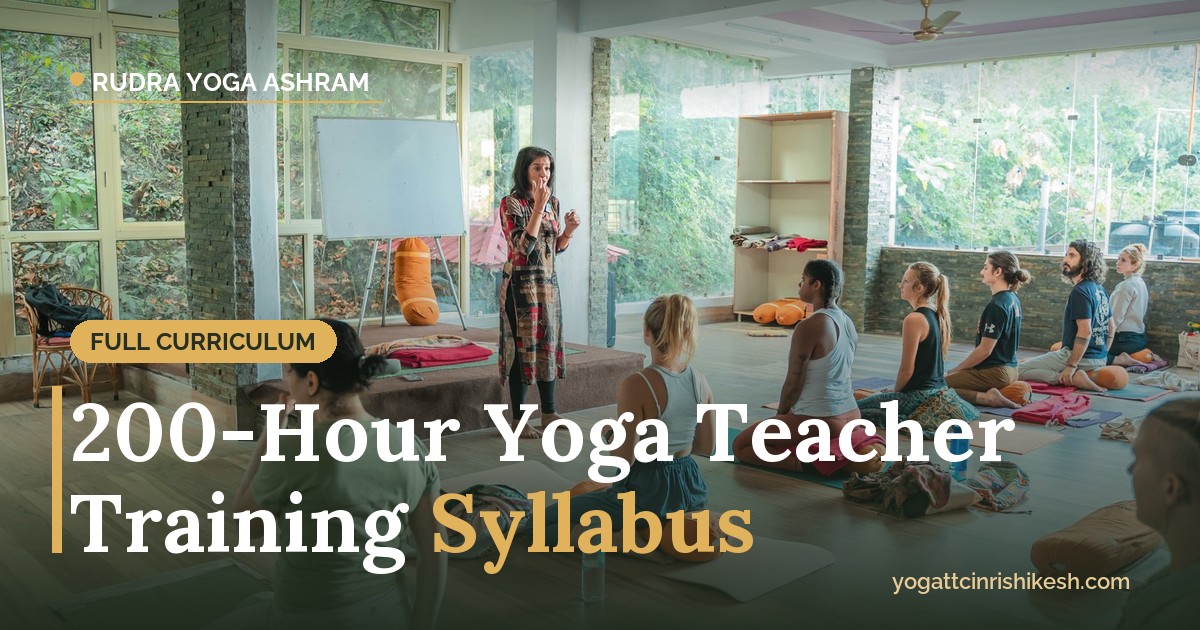
The 200-hour yoga teacher training is the globally recognised entry qualification for yoga teachers. Typically three to four weeks residential, it covers everything in the 100-hour plus far more depth, crucially including teaching methodology and real teaching practice. Complete it at a registered school and you can become an RYT 200 and teach worldwide. See the full 200-hour syllabus for everything it covers.
The Key Difference: Certification to Teach
Here's the single most important point. The 200-hour certifies you to teach; the 100-hour, on its own, does not. Studios, gyms and Yoga Alliance registration all require 200 hours as the minimum teaching standard. So if your goal is to lead classes professionally, the 200-hour is essential. The 100-hour is best seen as a stepping stone or a personal-development course, not a standalone teaching qualification.

Side-by-Side Comparison
| Factor | 100-Hour | 200-Hour |
|---|---|---|
| Duration | ~2 weeks | 3–4 weeks |
| Certifies you to teach? | No | Yes (RYT 200) |
| Teaching methodology | Limited | Extensive |
| Yoga Alliance recognised | Foundation only | Full standard |
| Cost | Lower | Higher (better value overall) |
| Best for | Foundation / taster | Becoming a teacher |
Duration and Time Commitment
Time is often the deciding factor. The 100-hour suits people who can only spare a week or two, or who want to split their training across two trips. The 200-hour asks for three to four weeks of full-time immersion — more of a commitment, but it's precisely that immersion that builds real teaching confidence. If you can carve out a month, the 200-hour delivers far more per hour. For the bigger picture, see how long it takes to become a yoga teacher.
Cost Comparison
A 100-hour course costs less upfront simply because it's shorter. But per hour of training — and especially per outcome — the 200-hour offers better overall value, since it's the course that actually qualifies you to teach and start earning. If budget is tight but teaching is the goal, it's usually wiser to save for the 200-hour than to pay for a 100-hour that won't certify you. Compare real numbers in our cost of yoga teacher training guide.
Which One Lets You Teach Yoga?
To be crystal clear: the 200-hour is the course that lets you teach yoga professionally. It leads to RYT 200 registration, the credential studios, gyms and online platforms require, and it's enough to start a real teaching career. The 100-hour alone won't get you hired as a teacher — but it counts towards your learning and can be built upon.
Who Should Choose the 100-Hour?
The 100-hour is the right choice if you:
- Only have one or two weeks available right now.
- Want to deepen your personal practice, not necessarily teach.
- Would like a taster before committing to full training.
- Plan to complete your 200-hour in two stages.
Who Should Choose the 200-Hour?
The 200-hour is for you if you:
- Want to qualify and teach yoga professionally.
- Can commit to a three-to-four-week immersion.
- Want the globally recognised RYT 200 credential.
- Are ready to build real teaching confidence through practice.
Still wondering if 200 hours is sufficient on its own? Read whether the 200-hour is enough to teach.
Can You Upgrade From 100 to 200 Hours?
Yes — and many people do. Some schools let you complete your 100-hour first and then add the second 100 hours later to reach the full 200 and qualify. This staged approach suits those who can't take a full month at once. Just confirm with your school that the two parts combine into a recognised 200-hour certification before you book.
Does the 100-Hour Count Towards the 200?
In many cases, yes — and that's reassuring if you start small. A number of schools treat the 100-hour as the first module of a 200-hour, so the hours and learning you complete now count towards full certification later. This means a 100-hour is rarely "wasted" even if you decide to qualify afterwards. The key is to choose a school whose 100-hour is designed to combine into a recognised 200-hour, so your early investment carries straight through to your teaching credential.
Which Builds More Teaching Confidence?
Confidence comes from practice, and here the 200-hour has a clear edge. Because it includes far more teaching methodology and real practicum — actually standing up and leading classes — you graduate feeling genuinely ready to teach. A 100-hour course deepens your knowledge and personal practice, but with limited teaching practice it doesn't build the same stand-in-front-of-a-class confidence. If the thought of leading your first class feels daunting, the fuller immersion of the 200-hour is exactly what settles those nerves.
Still Not Sure? A Quick Decision Guide
Boil it down to two questions. First: do you want to teach yoga? If yes, the 200-hour is the answer — it's the qualification the industry requires. Second: how much time do you have? If you can only manage a week or two right now, start with the 100-hour and upgrade later; if you can commit to a month, do the 200-hour in one go for the best experience and value. Either way, you're stepping onto a rewarding path. For more perspective, see whether the 200-hour is enough and how to become a yoga instructor.
Bottom line: The key difference in 100-hour vs 200-hour yoga teacher training is certification — the 200-hour qualifies you to teach worldwide, while the 100-hour is a foundation or first step. If your goal is to teach, choose the 200-hour.
Frequently Asked Questions
What is the difference between 100-hour and 200-hour yoga teacher training?
The 200-hour is the globally recognised qualification that certifies you to teach, with far more teaching methodology and practice. The 100-hour is a shorter foundation that, on its own, does not certify you to teach.
Does a 100-hour yoga teacher training certify you to teach?
No. On its own, a 100-hour course is a foundation, not a teaching certification. Yoga Alliance's recognised standard for teaching is 200 hours, so you need the 200-hour to teach professionally.
Is a 100-hour or 200-hour yoga course better?
It depends on your goal. For personal practice or a short taster, the 100-hour is great. To actually qualify and teach yoga, the 200-hour is essential and offers better overall value.
Can I combine two 100-hour courses into a 200-hour?
Often yes. Many schools let you complete a 100-hour, then add a second part later to reach the full 200 and qualify. Confirm the two combine into a recognised 200-hour certification before booking.
How long does each course take?
A 100-hour course usually runs about two weeks, while a 200-hour course takes three to four weeks of full-time, residential training. The longer immersion builds significantly more teaching confidence.
Which is more cost-effective, 100 or 200 hours?
The 100-hour costs less upfront, but the 200-hour offers better value overall because it certifies you to teach and start earning. If teaching is your goal, saving for the 200-hour is usually wiser.