Search "which yoga teacher training should I do" and you'll drown in styles — Vinyasa, Ashtanga, Yin, power yoga. But quietly, the one that underpins them all is Hatha. A hatha yoga teacher training is the foundation almost every great teacher secretly relies on, and it might be the smartest first step you can take.
What Is Hatha Yoga, Really?
"Hatha" simply means the physical practice of yoga — the poses, breath and alignment most people picture when they think of yoga. Nearly every modern style grew out of it. That's why a hatha yoga teacher training gives you such a solid base: you learn the classical postures slowly and precisely, without the rush of a fast flow, so your fundamentals are rock solid.
Why Start With Hatha?
Because it teaches you to actually understand a pose before you string dozens of them together. In a hatha yoga teacher training you hold postures longer, study alignment in detail, and learn the breath and philosophy behind the practice. Teachers who begin here tend to give clearer, safer, more grounded classes — whatever style they go on to teach.
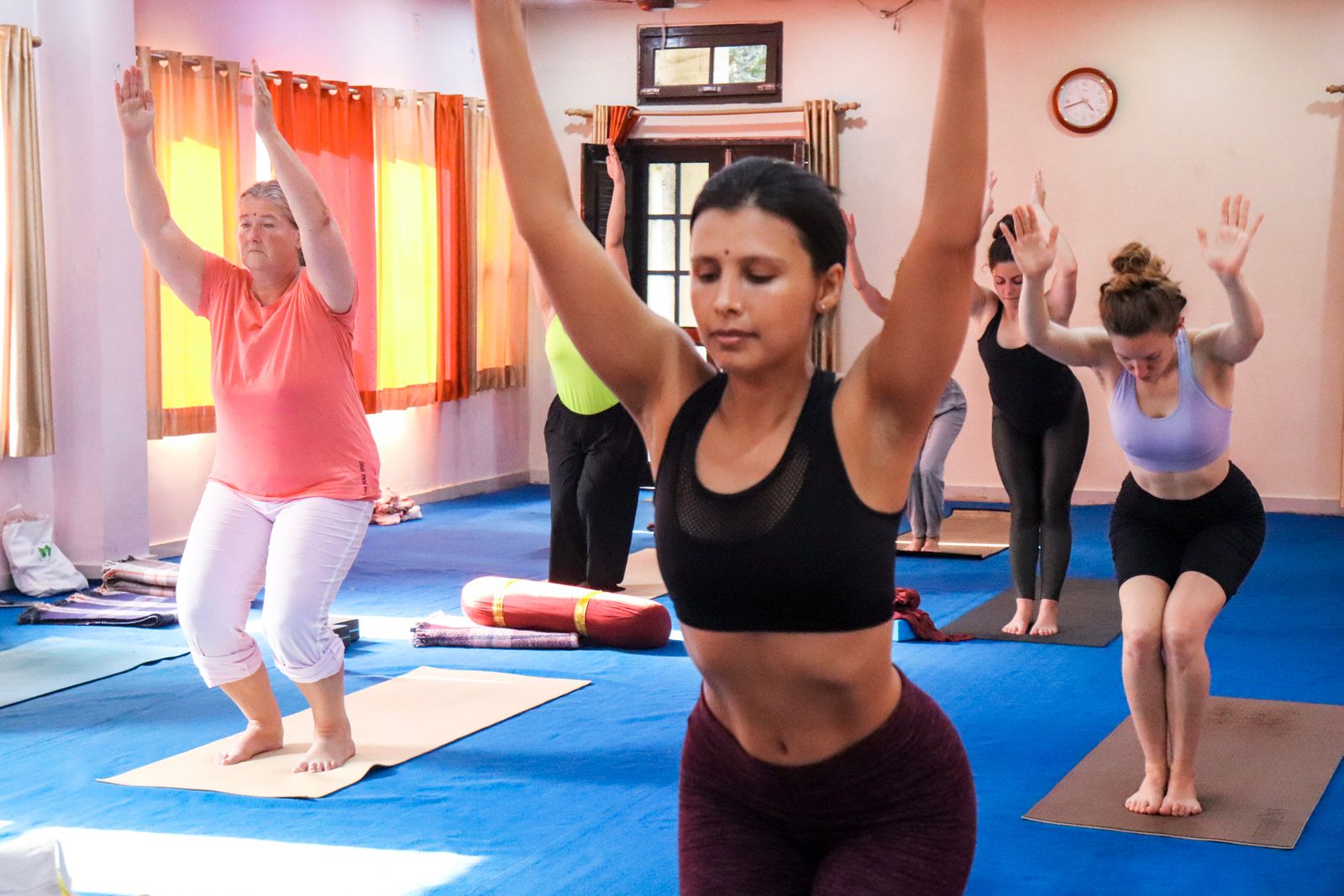
What You'll Learn
- Classical Hatha asana with precise, safe alignment.
- Pranayama (breath control) and its effect on body and mind.
- Shatkarma cleansing techniques and meditation.
- Yoga philosophy and the roots of the practice.
- Teaching methodology — how to sequence and cue a class.
Hatha vs Vinyasa: The Simple Difference
People often ask how a hatha yoga teacher training differs from a Vinyasa one. In short: Hatha holds poses and focuses on alignment and breath, while Vinyasa links poses into a flowing sequence. Neither is better — but Hatha teaches you the pieces before you learn to dance with them, which is exactly why it makes such a strong foundation for teaching any style later.
Who Is It For?
A hatha yoga teacher training suits almost everyone: complete beginners who want a gentle, thorough start; busy people who prefer a slower pace; and experienced yogis who want to rebuild their foundations. If a fast, sweaty power class has ever left you confused about what your body was actually doing, Hatha is your answer.
Where to Train
Rishikesh — the birthplace of yoga — is the most authentic place in the world to study Hatha. Our 200-hour course at Rudra Yoga Ashram is rooted in traditional Hatha and Ashtanga, taught by experienced Indian teachers, with the same fee for Indian and international students. Curious how it compares to other routes? See our guide to yoga teacher training programs, and if calm is your goal, yoga for anxiety and stress relief.
The Quiet Truth
Flashy styles get the attention, but a hatha yoga teacher training builds the fundamentals every other style stands on. Get these right and everything else becomes far easier.
A Typical Day on a Hatha Course
Wondering what the month actually feels like? A typical day on a hatha yoga teacher training begins before sunrise with meditation and pranayama, followed by a Hatha asana class while the body is fresh. Mid-morning brings anatomy or philosophy lectures, lunch is a simple sattvic meal, and afternoons are for alignment workshops and supervised teaching practice. Evenings wind down with a gentle, restorative session. It sounds intense, and it is — but the rhythm quickly becomes the part students miss most when they go home.
Is Hatha Yoga Slow or Boring?
One honest myth to bust: people sometimes assume Hatha is slow or boring. It's gentler than a power class, yes, but that space is exactly where real understanding happens. Holding a pose long enough to feel your alignment, your breath and your mind settle is anything but boring — it's the difference between performing yoga and actually practising it.
Frequently Asked Questions
What is a hatha yoga teacher training?
A hatha yoga teacher training teaches the classical physical practice of yoga - postures, alignment, breath, meditation and philosophy - along with how to teach it. It's the traditional foundation most other styles are built on.
Is hatha yoga good for beginners?
Yes. Hatha's slower pace and focus on alignment make a hatha yoga teacher training ideal for beginners, giving you time to understand each posture properly before moving faster.
What's the difference between hatha and vinyasa teacher training?
Hatha holds poses with a focus on alignment and breath; Vinyasa links poses into flowing sequences. A hatha yoga teacher training builds the fundamentals, which makes learning Vinyasa or other styles easier later.
Is a hatha yoga teacher training recognised worldwide?
Yes. When you train with a Yoga Alliance registered school, a 200-hour hatha yoga teacher training leads to the internationally recognised RYT 200 credential.
Where is the best place to do a hatha yoga teacher training?
Rishikesh in India is widely considered the best, offering authentic teachers, immersive residential courses and excellent value. Rudra Yoga Ashram teaches traditional Hatha there.