Table of Contents
- What a Yoga Teacher Training Center Actually Is
- Why So Many People Choose Rishikesh
- What Separates a Great Center from an Average One
- The Courses a Good Center Should Offer
- Life Inside the Center: A Typical Day
- How Rudra Yoga Ashram Does It
- Questions to Ask Before You Enrol
- Frequently Asked Questions
If you have been typing "rishikesh yoga teacher training center" into Google late at night, comparing tab after tab, you are not alone. It is genuinely hard to tell the schools apart from the outside. They all have beautiful photos, similar prices, and long lists of promises. So this guide takes a different approach: instead of hyping one place, it walks you through how to actually judge a center, so you can decide for yourself with a clear head.
There are hundreds of yoga teacher training centers in Rishikesh, and honestly, some are wonderful and some are not. By the end of this article you will know the exact signs of a good one, what a normal day feels like, and the questions that quietly separate the real schools from the ones that just market well.

What a Yoga Teacher Training Center Actually Is
A rishikesh yoga teacher training center is more than a studio with a certificate at the end. At its best, it is a small, focused school where you live, eat, study and practise for three to four weeks, guided by teachers who do this every single day. You are not dropping in for a class; you are stepping into a routine that slowly rebuilds how you move, breathe and think.
That immersion is the whole point. It is also why the choice of center matters so much. In a good one, the schedule, the food, the teachers and the setting all pull in the same direction. In a weaker one, they quietly work against you.
Why So Many People Choose Rishikesh
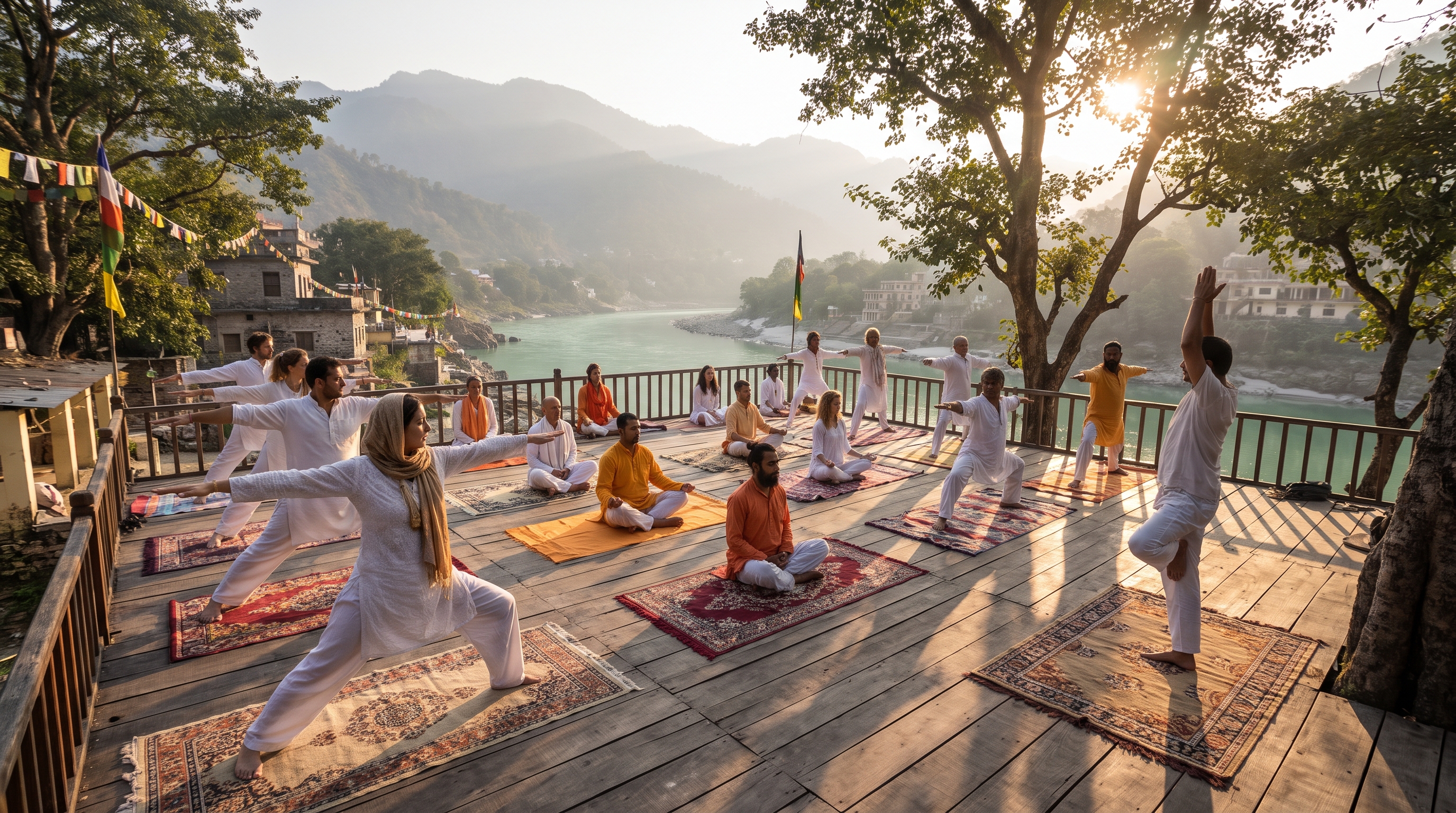
People often ask what makes Rishikesh the best place to learn yoga in Rishikesh — which sounds circular until you have actually been. The town sits where the Ganges leaves the Himalayas, and it has been a place of yoga and meditation for centuries. That history is not marketing; you feel it in the morning mist, the temple bells, and the sheer number of serious practitioners around you.
Three practical things also make Rishikesh stand out. The teachers here tend to have decades of experience, not a weekend certificate. The environment is calm and vegetarian, with no alcohol, which makes the discipline of training far easier. And the cost is a fraction of what the same course would run in Europe or North America. Put together, those are the reasons the town is packed with yoga teacher training centers in Rishikesh — and why students keep coming back.
What Separates a Great Center from an Average One
When you strip away the photography, a handful of things decide whether a center is genuinely good. Use these as your checklist while you compare.
| What to Check | Green Flag | Red Flag |
|---|---|---|
| Certification | Yoga Alliance registered (RYS 200/300/500) | Vague or unverifiable claims |
| Teachers | Named, experienced, teach the batch themselves | Rotating juniors, no bios |
| Batch size | Small groups, personal attention | 40+ students per class |
| Curriculum | Multi-style, clear daily schedule | Asana only, no detail |
| Pricing | All-inclusive, transparent | Hidden fees after arrival |
If a center scores well on all five, it is a serious candidate. This is also the honest way to identify the best yoga institute in Rishikesh for you specifically — because "best" always depends on what you value most. For a deeper breakdown, our guide to the best yoga school in Rishikesh goes through each of these in detail.
The Courses a Good Center Should Offer
A well-run center gives you a clear path, not just a single course. You should be able to start where you are and keep growing with the same school.
- 100 Hour — a two-week foundation, ideal if you are short on time or brand new.
- 200 Hour — the core certification most people take to become a registered teacher.
- 300 Hour — the advanced training for those who already hold a 200-hour.
- 500 Hour — the full journey in one immersion.
If you are not sure which fits, our comparison of the 100, 200, 300 and 500 hour courses lays it out simply. The key point: a real rishikesh yoga teacher training center can support your whole path, not just sell you one month.
Life Inside the Center: A Typical Day
People underestimate how much daily life shapes the experience. A typical day at a good center looks something like this:
A Day in the Life
Early wake-up and herbal tea, then pranayama and meditation as the sun rises. A morning Hatha practice, breakfast, and rest. Late morning is philosophy and anatomy; the afternoon brings teaching methodology and a dynamic Vinyasa or Ashtanga session. Evenings are for meditation, mantra or simply the Ganga Aarti by the river. It is full, but it has a rhythm that carries you.
Want the hour-by-hour version? Read a day in the life at yoga teacher training in Rishikesh. The centers that thrive are the ones where that rhythm feels supportive rather than exhausting — and that usually comes down to small batches and food that actually nourishes you.
How Rudra Yoga Ashram Does It
We built Rudra Yoga Ashram to be the kind of center we would have wanted as students. It sits in Upper Tapovan, a quiet stretch of Rishikesh overlooking the Ganges. We are registered with Yoga Alliance USA at the RYS 200, 300 and 500 levels, we keep batches small, and our teachers — the ones on the website — are the ones who teach you.
There is one more thing we care deeply about. We were India's first school to charge the same fees for Indian and international students, with no hidden extras. To us, that fairness is part of what makes a center trustworthy in the first place. If that resonates, we would love to hear from you — say hello here.
Questions to Ask Before You Enrol
Before you pay a deposit at any of the yoga teacher training centers in Rishikesh, send these questions and read the replies carefully. How a school answers tells you almost everything.
- Are you registered with Yoga Alliance, and at which levels?
- Who exactly will teach my batch, and what is their experience?
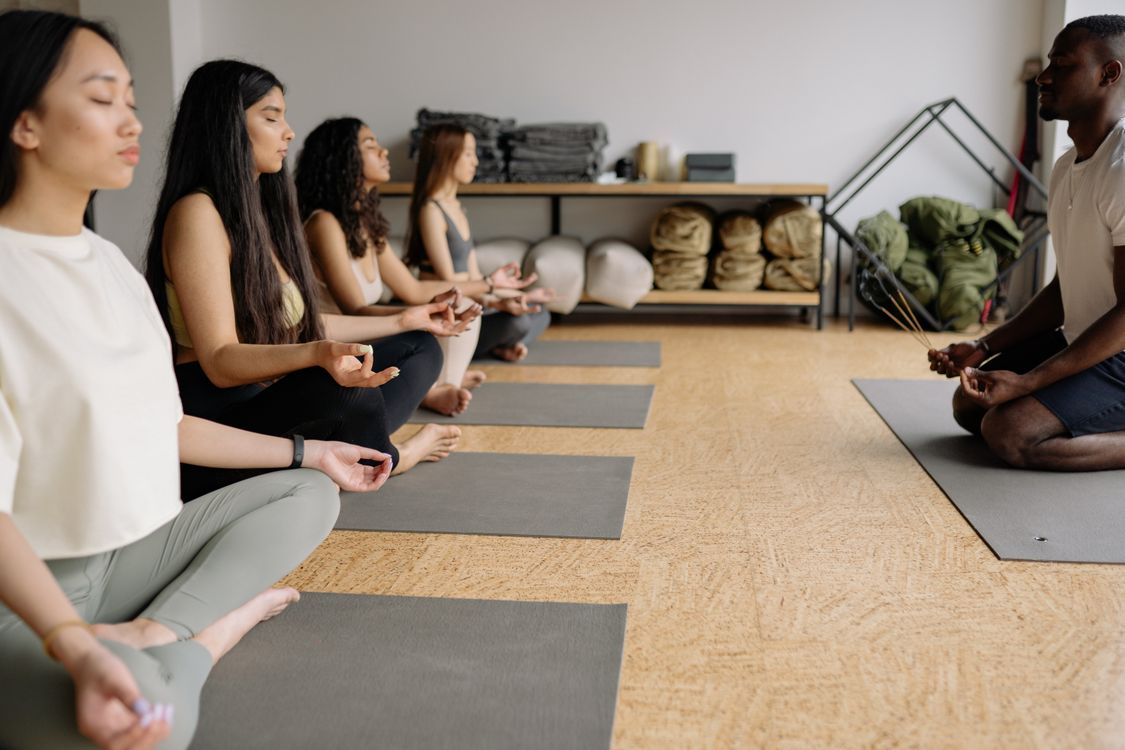
- How many students are in a group?
- What is included in the fee, and is there anything extra on arrival?
- Can I see a real daily schedule and a sample of the food?
A confident, specific answer is a good sign. Vague or defensive replies are a quiet red flag. Do this, and finding the best place to learn yoga in Rishikesh for you becomes far less overwhelming.
Frequently Asked Questions
How do I choose the right yoga teacher training center in Rishikesh?
Compare centers on five things: Yoga Alliance certification, experienced named teachers, small batch sizes, a detailed multi-style curriculum, and transparent all-inclusive pricing. A center that scores well on all five is a strong choice. Always ask to see a real daily schedule before you commit.
Are yoga teacher training centers in Rishikesh good for beginners?
Yes. Most yoga teacher training centers in Rishikesh design their 200-hour courses for beginners and do not require prior teaching experience. A few months of regular practice beforehand helps you settle in, but you do not need to be advanced or flexible to start.
Which is the best place to learn yoga in Rishikesh?
The best place to learn yoga in Rishikesh depends on your goals, but the markers of quality are consistent: Yoga Alliance registration, experienced Himalayan teachers, small groups, a complete curriculum, and honest pricing. Rudra Yoga Ashram in Upper Tapovan meets all of these and charges equal fees for Indian and international students.
How much does training at a Rishikesh yoga teacher training center cost?
A 200-hour course typically ranges from around ₹18,000 to ₹50,000 including accommodation and sattvic meals, far below Western prices. Be cautious of prices far below this range, which often signal overcrowded batches or hidden fees.
Is Rishikesh safe for solo travellers doing yoga teacher training?
Yes. Rishikesh is one of the safest towns in India, especially the Tapovan and Laxman Jhula areas where most centers are located. Alcohol and non-vegetarian food are prohibited, and thousands of solo travellers, including women, train there safely every year.