Picked Rishikesh for your training but not sure when to go? Choosing the best time for yoga teacher training in Rishikesh can shape your whole experience — from the weather on your morning asana practice to how busy the ashram feels and even what you pay. The good news is that Rishikesh is a year-round yoga destination, so there's no truly "bad" time. This month-by-month guide walks you through every season so you can pick the dates that suit you best.
Rishikesh at a Glance: Weather and Seasons
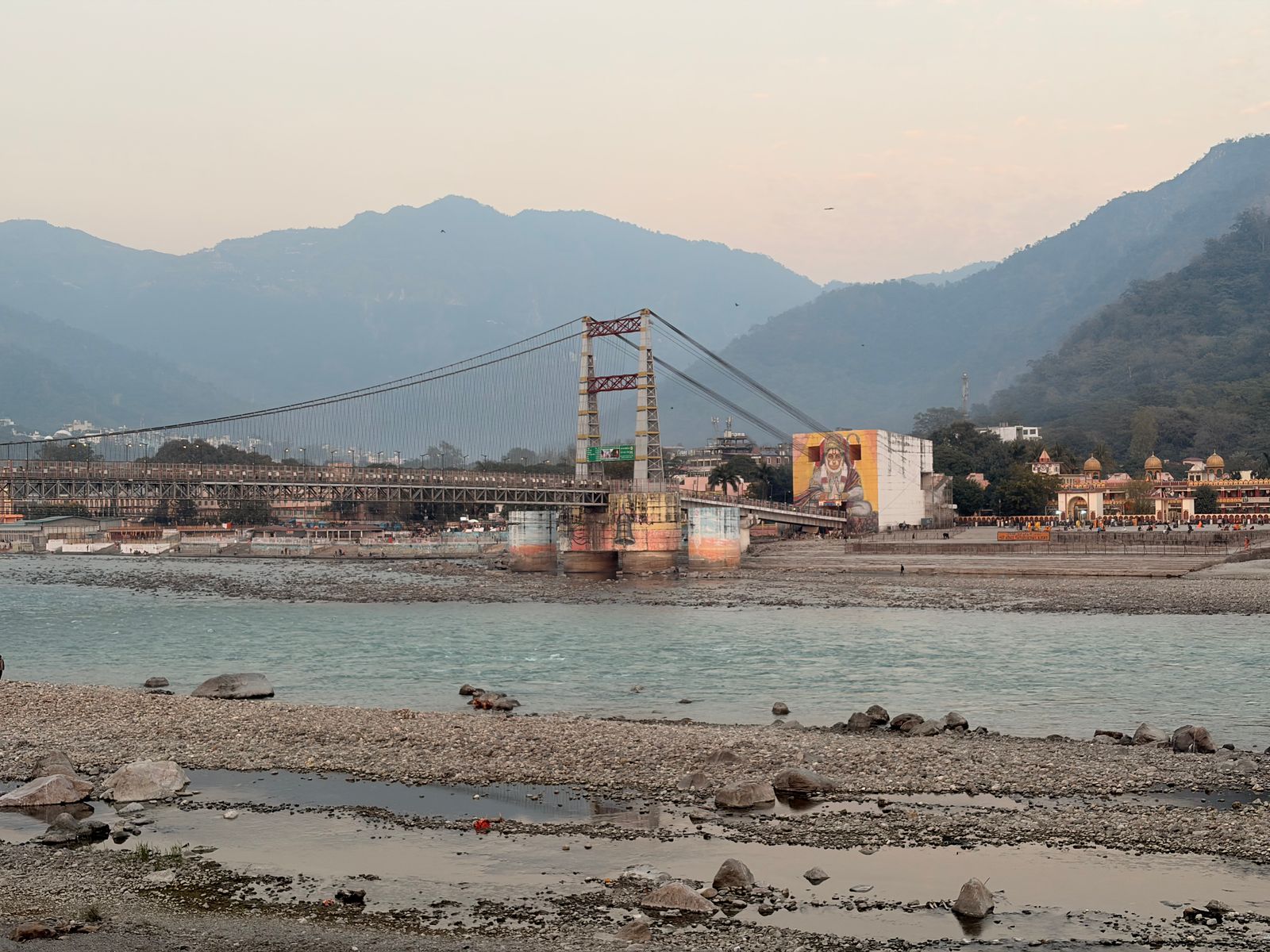
Rishikesh sits in the Himalayan foothills on the banks of the Ganges in northern India, which gives it a pleasant climate for most of the year. You'll broadly find four seasons: a warm, popular spring (March–April), a hot summer (May–June), a green monsoon (July–August), and a crisp, clear autumn and winter (September–February). Each has its own character, and the "best" season really depends on whether you prioritise weather, cost, crowds or atmosphere.
Spring (March–April): The Most Popular Season
Spring is widely considered the best time for yoga teacher training in Rishikesh. Days are warm but comfortable, mornings are fresh, the Ganges is lively, and the town buzzes with international students. The weather is close to perfect for long practice days and outdoor meditation by the river. Because it's peak season, courses fill up fast and the ashrams are at their most vibrant — ideal if you want energy, community and classic Rishikesh weather.
Autumn (September–November): The Other Peak
Autumn is the second favourite window, and many would argue it's the single nicest time of all. After the monsoon rains, the air is clean, the hills are lush and green, and temperatures are mild and stable. The Ganges runs full, the skies are clear for Himalayan views, and the energy is calm yet social. If you want beautiful weather with slightly fewer crowds than spring, September to November is hard to beat.
Summer (May–June): Warm but Quieter
Summer brings hotter days, with temperatures that can climb through midday. Mornings and evenings remain pleasant, and the practice schedule is built around the cooler hours, so it's perfectly manageable. The upside? Fewer crowds, a more relaxed pace, and often better availability. If you don't mind the heat and prefer a quieter, more personal atmosphere, early summer can be a smart, less-busy choice.
Monsoon (July–August): Green, Calm and Affordable
The monsoon transforms Rishikesh into a lush, dramatic green landscape, with the Ganges full and powerful. Yes, it rains — often in short, heavy bursts rather than all day — but practice continues as normal in covered halls. This is the quietest and often most affordable season, with smaller groups and a peaceful, introspective mood. For students who want deep focus, personal attention and lower costs, the monsoon is underrated.
Winter (December–February): Crisp and Peaceful
Winter in Rishikesh is cool and clear, with chilly mornings, bright sunny days and cold nights. The town is calmer, the air is crisp, and the Himalayan views are stunning. You'll want warm layers for early practice, but many students love the serene, reflective atmosphere and the cosy feeling of winter at the ashram. It's a wonderful time for those who prefer cooler weather and a quieter setting.
Month-by-Month Quick Guide
| Season | Months | Weather | Best for |
|---|---|---|---|
| Spring | Mar–Apr | Warm, pleasant | Classic weather, buzz & community |
| Summer | May–Jun | Hot midday | Fewer crowds, availability |
| Monsoon | Jul–Aug | Green, rainy spells | Quiet, affordable, personal |
| Autumn | Sep–Nov | Mild, clear, lush | Best all-round weather |
| Winter | Dec–Feb | Cool, crisp, sunny | Peace, clear mountain views |
So When Should YOU Go?
Match the season to what matters most to you:
- Want perfect weather and lively energy? Choose spring or autumn.
- Prefer quiet, personal attention and lower cost? Pick summer or monsoon.
- Love cool, calm and clear skies? Winter is your season.
Also factor in your own schedule and budget — see our honest guide to the cost of yoga teacher training and how long it takes to plan around work and travel.
Does the Season Affect Course Quality?
Here's the reassuring part: the quality of your training doesn't change with the season. Reputable schools like Rudra Yoga Ashram run the same experienced teachers, the same complete syllabus and the same Yoga Alliance certification all year round. The season changes the weather and the vibe, not what you learn. So choose your dates for comfort and lifestyle, confident that the teaching stays excellent whenever you come. Curious why this town? Read why Rishikesh is the yoga capital of the world.
How Far Ahead Should You Book?
For peak months (spring and autumn), book two to four months in advance, as popular batches and good rooms sell out. For summer, monsoon and winter, you'll usually find more availability closer to your dates, though booking early still secures the best accommodation. Give yourself enough lead time to arrange your visa, flights and a few months of personal practice beforehand, and don't forget to check what to pack for your month in India.
Shoulder Seasons: The Underrated Sweet Spots
If you want the best of both worlds, aim for the edges of the peak seasons. Late February and early March, or late November, often deliver beautiful weather with fewer crowds and better prices than the busiest weeks. These shoulder periods give you the pleasant temperatures of spring and autumn while the ashrams are a little quieter, which can mean more personal attention from your teachers and a calmer town to explore. Many returning students deliberately choose these windows once they know the rhythm of Rishikesh — it's a savvy way to get peak-season conditions without peak-season bustle.
What About Indian Festivals and Special Times?
Rishikesh has a special energy around certain times of year that can add to your experience. The town hosts a world-famous International Yoga Festival in early March, drawing teachers and practitioners from across the globe — an inspiring time to be here, though also a busy one. Major Indian festivals bring colour, ceremony and a joyful atmosphere to the riverside, with the nightly Ganga Aarti ceremony a highlight in any season. If cultural immersion excites you, timing your course near a festival is a bonus; if you prefer quiet focus, simply choose a calmer month. Either way, the daily spiritual life of Rishikesh is part of what makes training here unforgettable — it's a big reason Rishikesh is the yoga capital of the world.
Bottom line: The best time for yoga teacher training in Rishikesh is spring (March–April) or autumn (September–November) for ideal weather and energy — but the town trains year-round, so pick the season that fits your comfort, budget and schedule.
Frequently Asked Questions
What is the best month for yoga teacher training in Rishikesh?
March, April, September and October are the most popular months, offering warm, pleasant weather and a lively atmosphere. Autumn in particular gives clear skies and lush green hills after the monsoon.
Can you do yoga teacher training in Rishikesh in summer?
Yes. Summer is hotter at midday, but practice is scheduled around the cooler mornings and evenings. It's a quieter season with better availability, which suits students who prefer fewer crowds.
Is the monsoon a bad time for yoga training in Rishikesh?
Not at all. It rains in short bursts and practice continues indoors. The monsoon is the greenest, quietest and often most affordable season, ideal for deep focus and personal attention.
Is Rishikesh cold in winter?
Winter mornings and nights are chilly and days are mild and sunny. You'll need warm layers for early practice, but many students love the crisp air, calm town and clear Himalayan views.
Does the time of year change the course or certification?
No. Experienced teachers, the full syllabus and Yoga Alliance certification run the same all year. The season only affects the weather and atmosphere, not the quality of your training.
How early should I book my Rishikesh yoga teacher training?
For peak spring and autumn dates, book two to four months ahead as batches fill up. Other seasons usually have more availability, but booking early still secures the best rooms.